.svg)

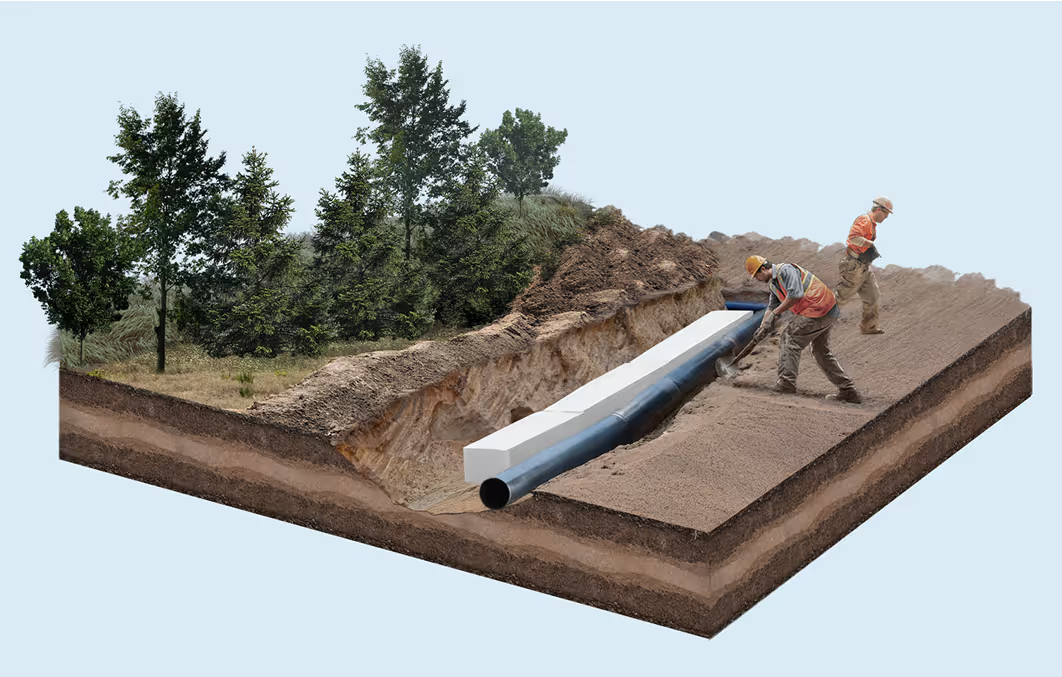
Geobuffer is an engineered backfill system designed to protect underground pipelines from differential ground movements. By redistributing displacement along the pipeline, it minimizes stress and strain, allowing the pipeline to withstand large geohazards safely and cost-effectively.
Geobuffer blocks are flexible in one direction to allow the pipe to move within its cross-sectional plane, and it is stiff in other orthogonal directions to resist the soil and overburden pressures. These blocks are installed adjacent to the pipe in specific arrangement based on the expected direction of pipe displacement and will guide the pipe through a predefined and controlled deformation that prevents strain concentration.
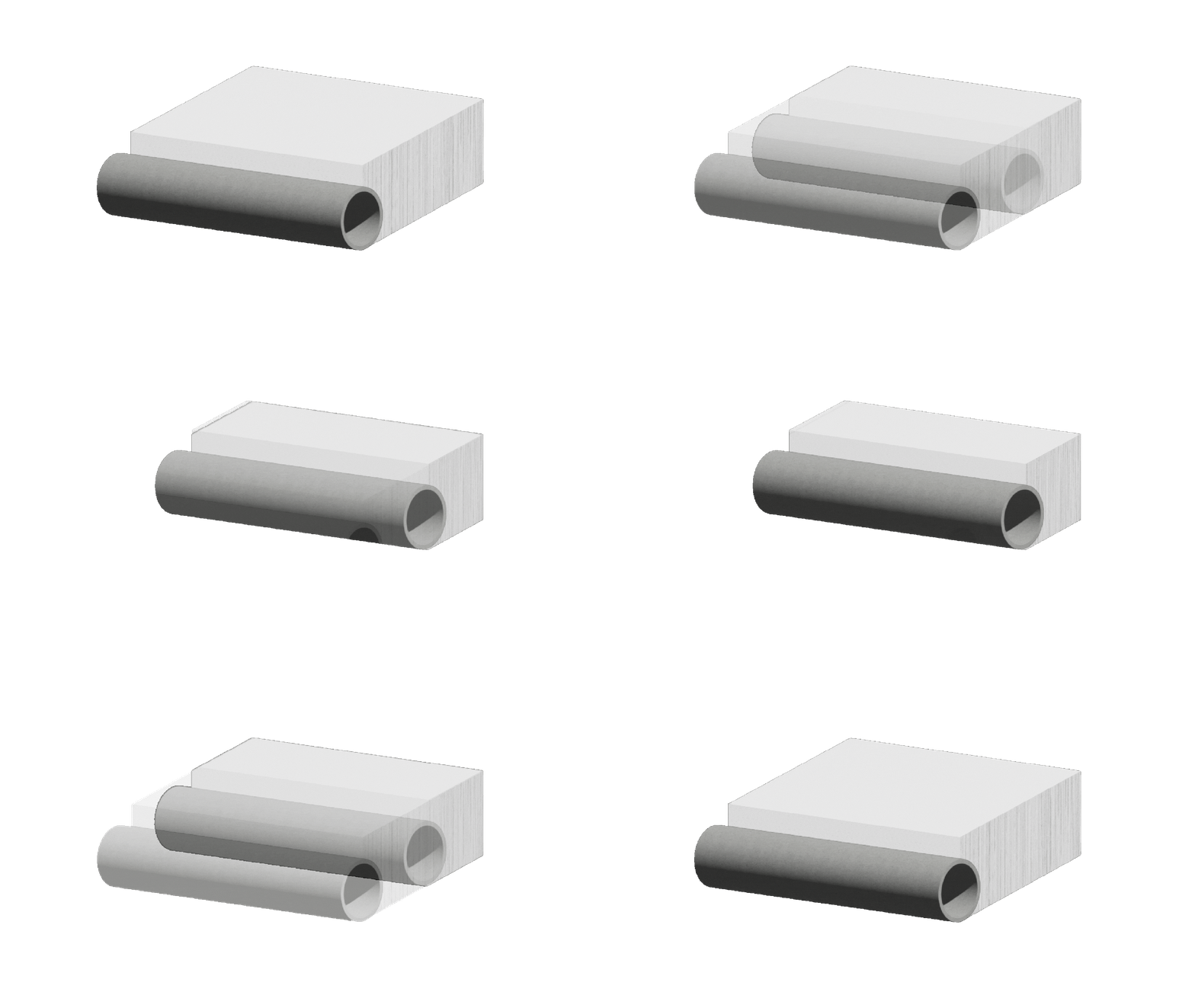
In the side installation, the Geobuffer blocks are placed beside the pipe allowing it to move laterally, facing significantly less resistance compared to the general soil.
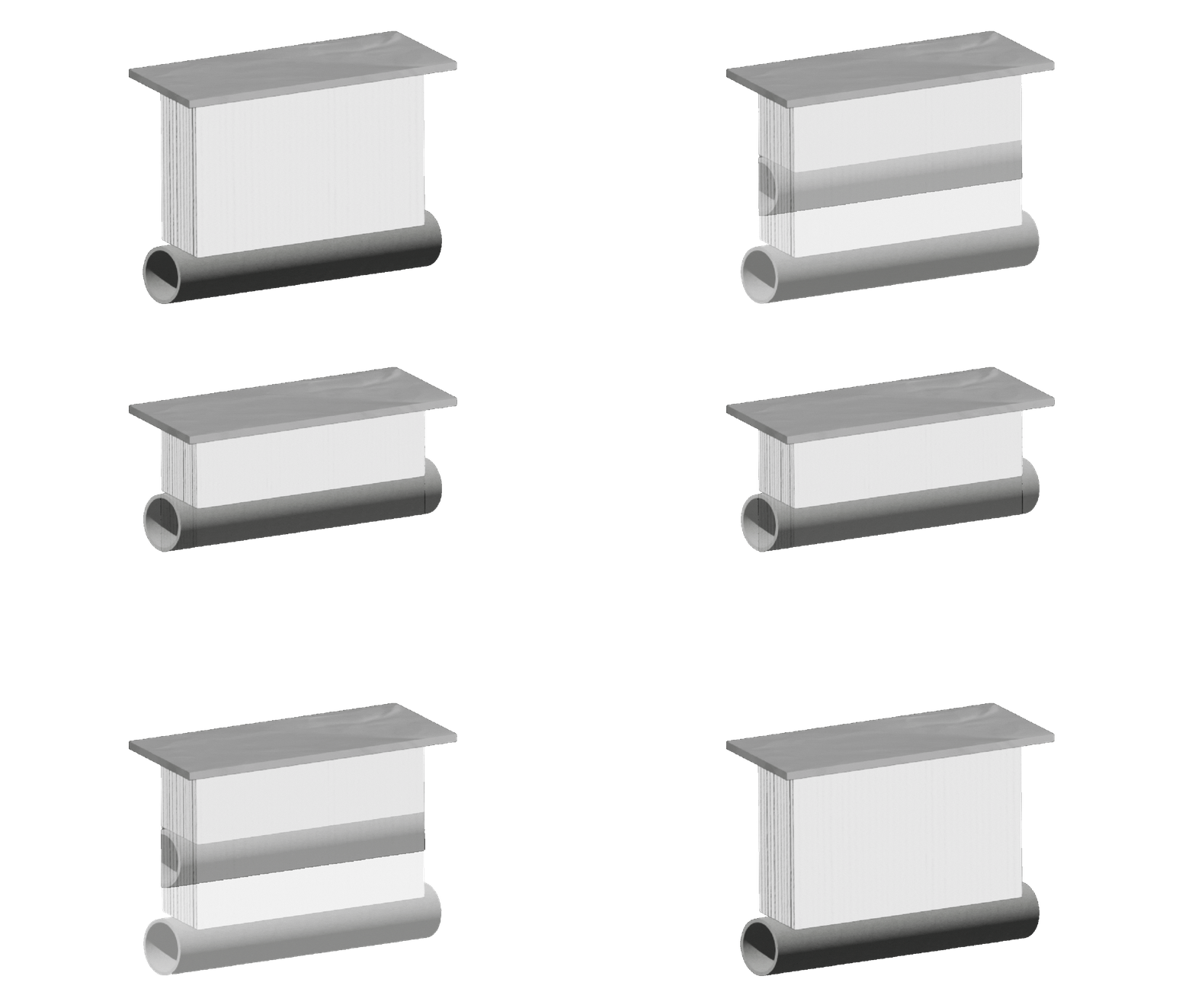
In the top installation, the Geobuffer blocks are placed on top of the pipe creating low resistance against pipe vertical (upward) movement. Here, the retaining structure protects the Geobuffer block from the backfill weight and the vertical overburden pressure.

Normal fault slips cause vertical bending and elongation strain in pipelines within the crossing area. Top installation of the Geobuffer system on one side of the slip line, where the pipe moves upward in the trench, helps the distribution of the abrupt displacement to a longer length, significantly reducing curvature and local elongation, thereby decreasing pipe bending and uniform axial strain. Additionally, side installation can be included if there is a major lateral component in the fault movement.
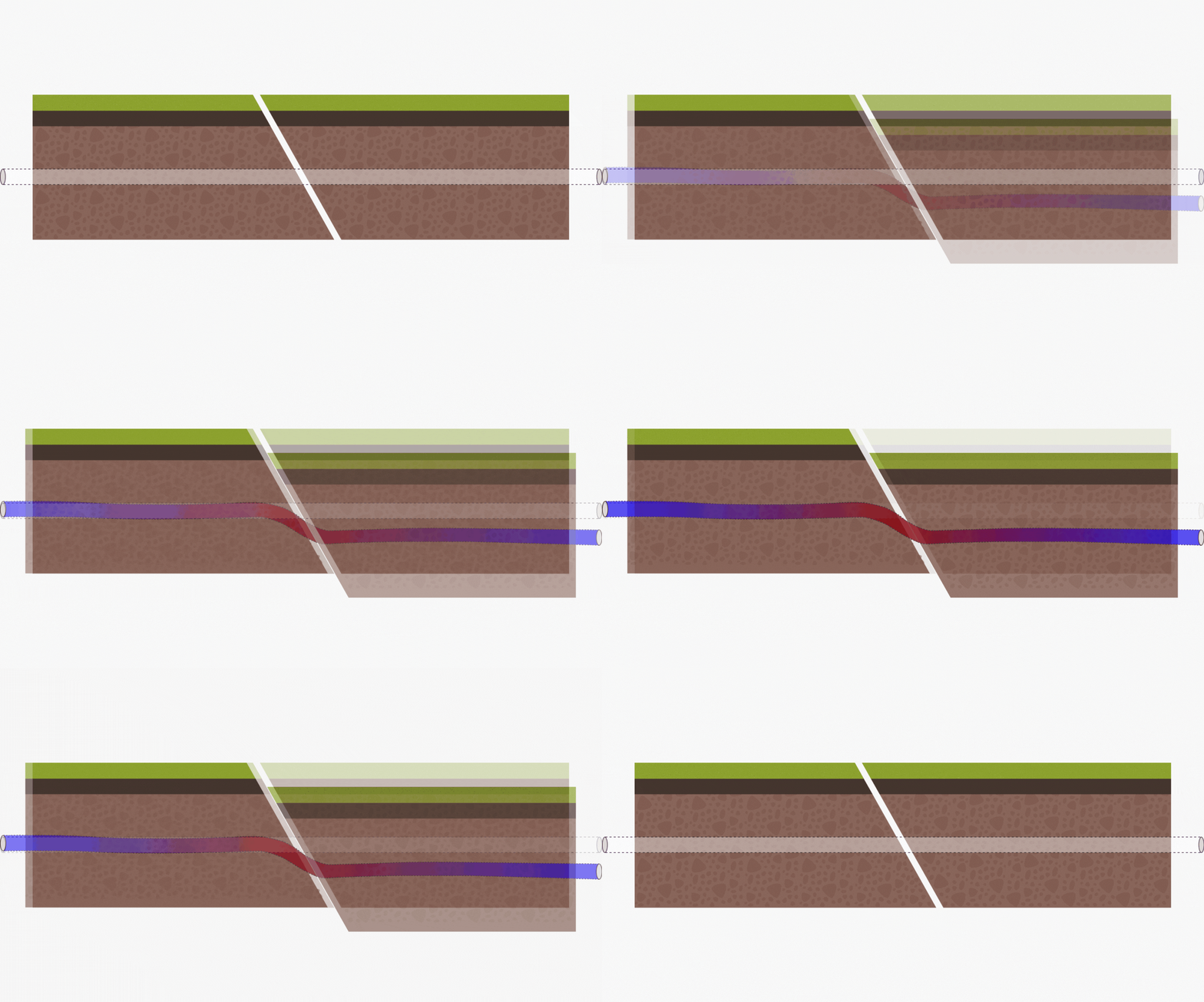
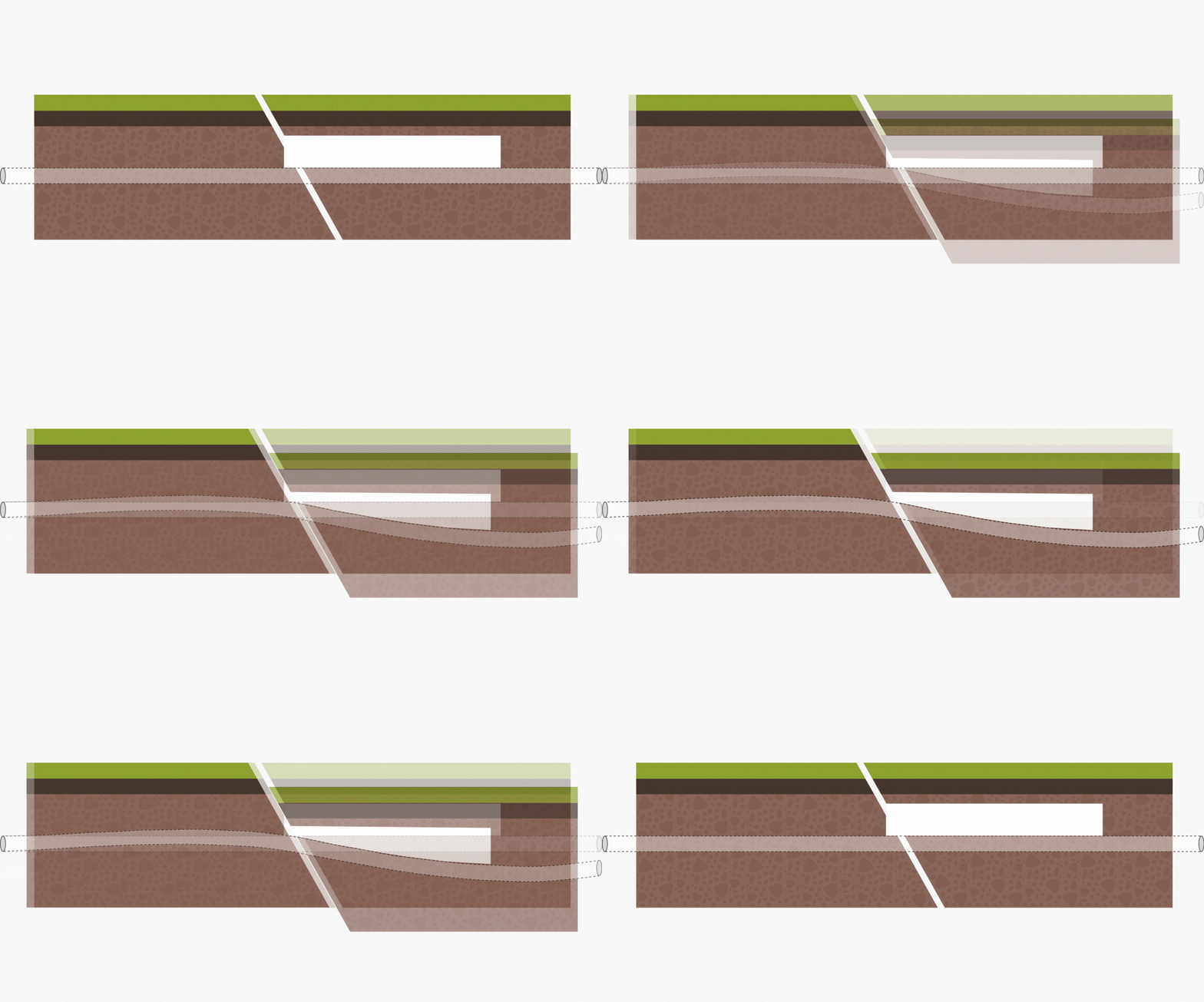
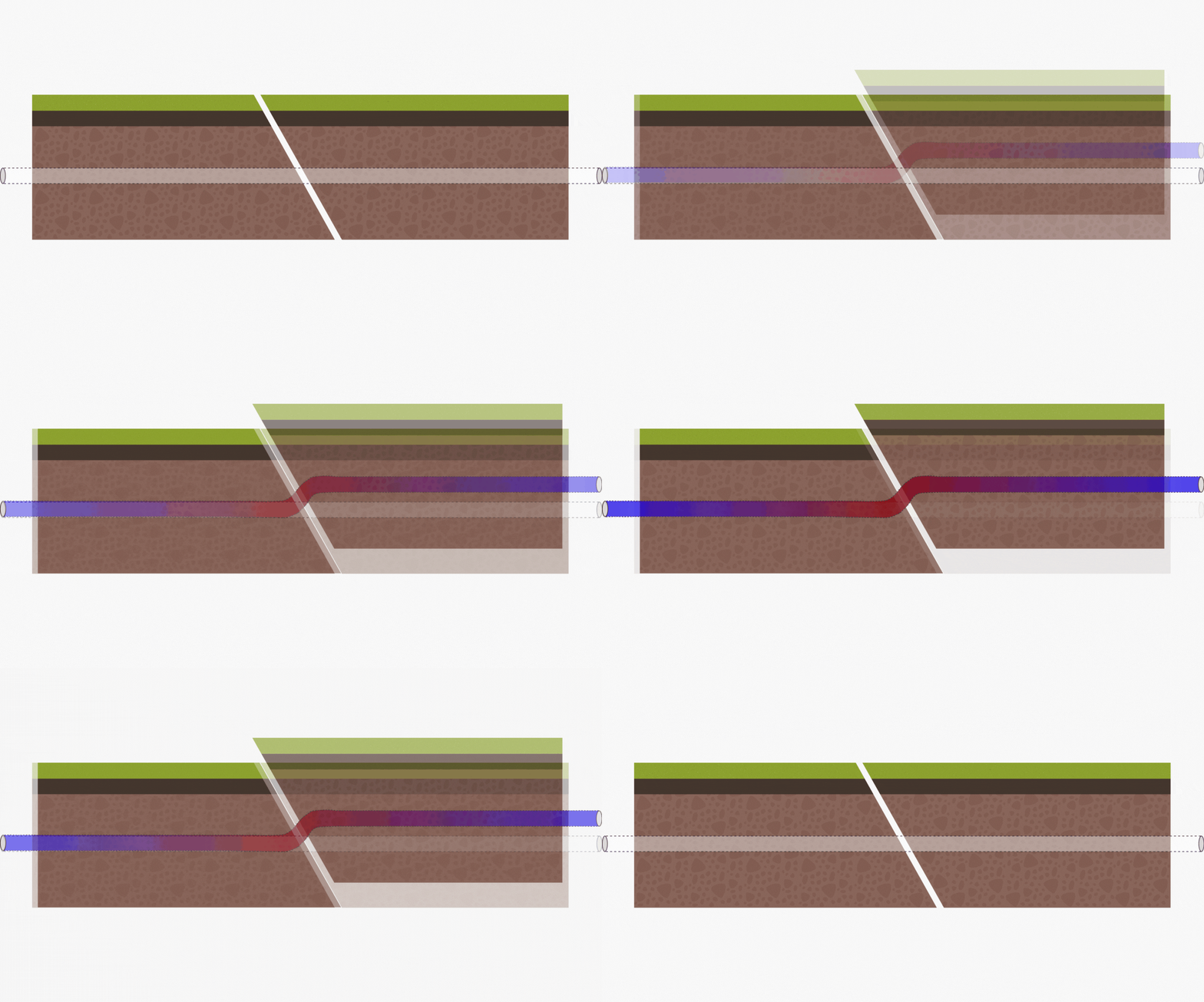
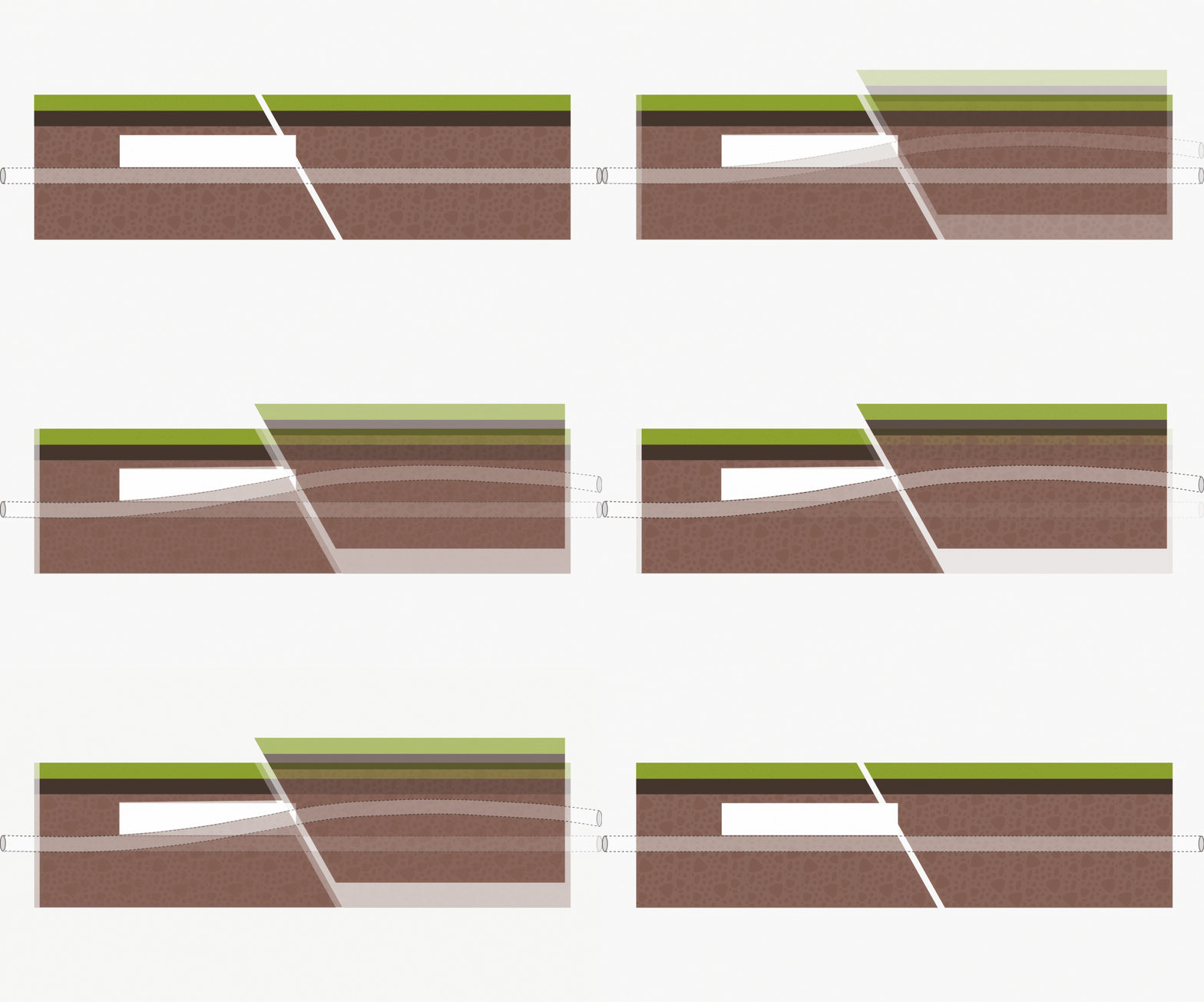
Reverse fault slips cause vertical bending and contraction of pipelines within the crossing area. Top installation of the Geobuffer system on one side of the slip line where the pipe ascends in the trench helps the pipeline to transition sharp displacements over longer lengths. This significantly reduces concentration of curvature and compressive deformation, thereby minimizing pipe strain and potential for wrinkling. Side installation can be added if there is a considerable lateral component in the fault movement.
When a strike-slip fault crosses a pipeline at an acute angle, the fault movement can cause both lateral and tensile forces/displacements. Side installation of the Geobuffer system on the left and right sides of the pipe can help it to distribute applied forces and develop significantly less strain along the affected length which in turn reduces the probability of failure.
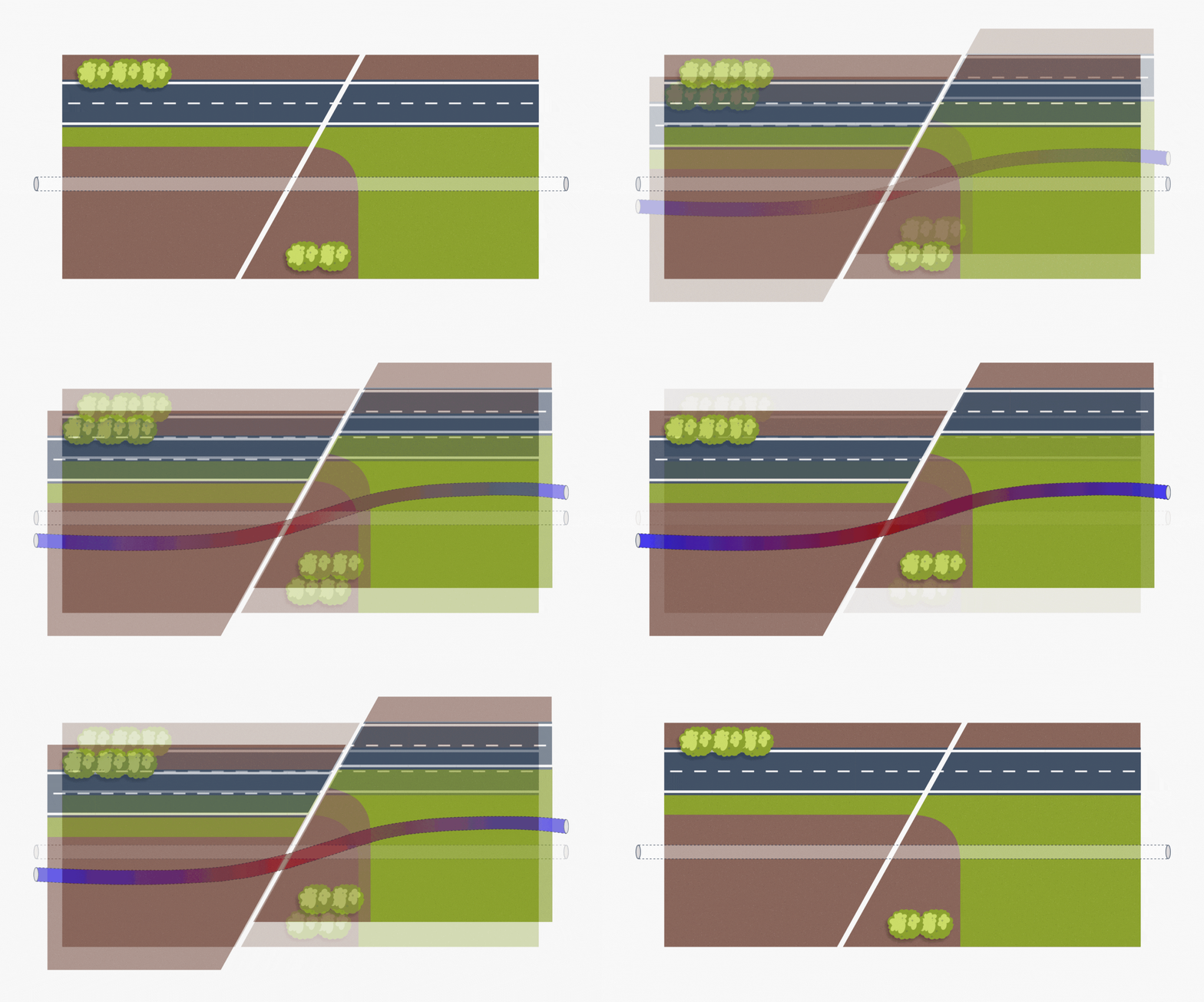
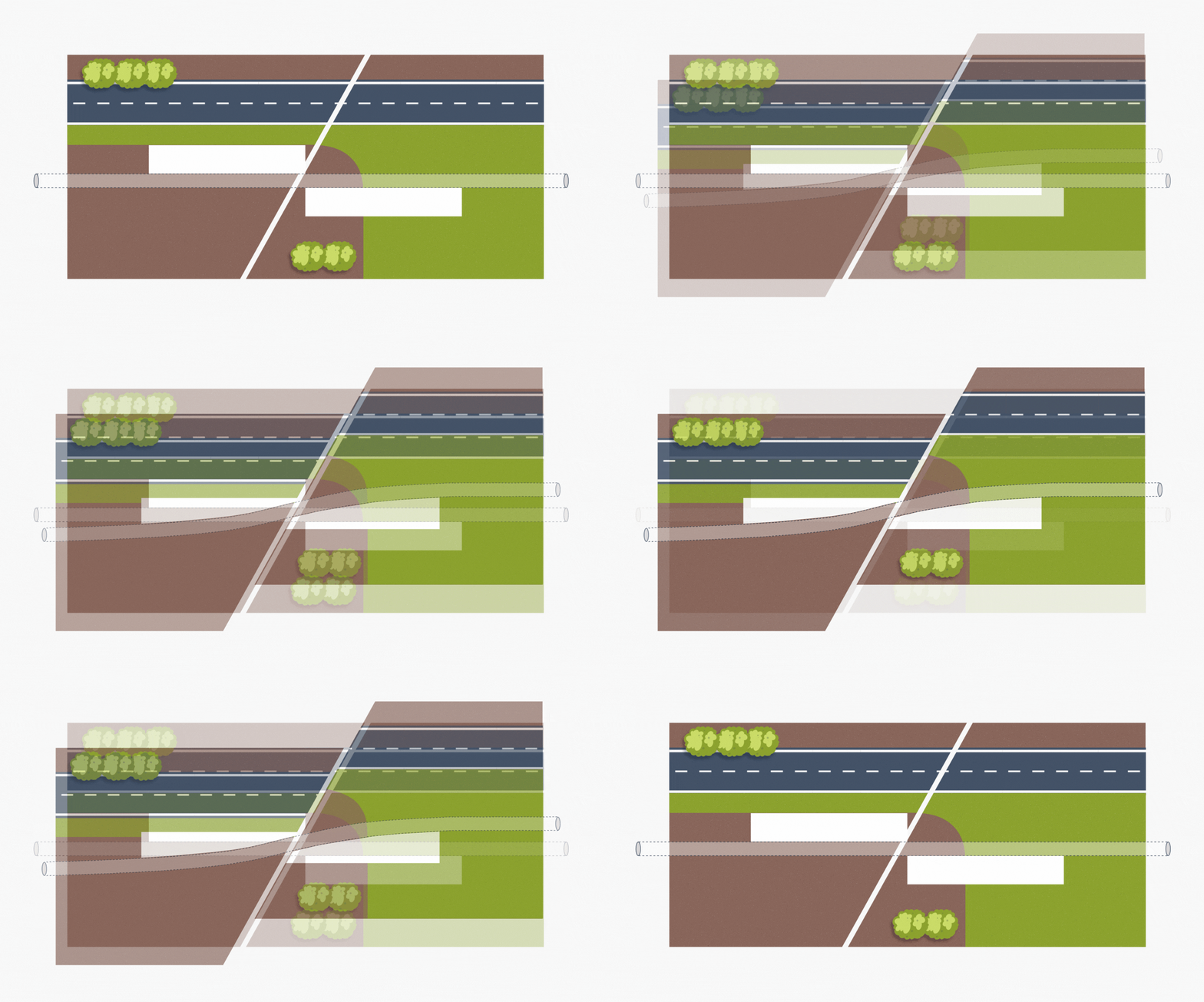
When a strike-slip fault crosses a pipeline at an obtuse angle, the pipe experiences a combination of compressive and bending strains due to both axial and transverse slip components. Combination of compression and bending results in rapid concentration of large deformations in a limited length of the pipe which causes wrinkling and possibly rupture.Side installation of the Geobuffer system on the left or right sides of the pipe on each side of the fault crossing results in smooth transition of the applied displacement and lower strain along the affected length which in turn reduces the probability of failure. Turning from a straight line to “S” shape absorbs large portion of the applied compressive deformation in a comparatively long distance.
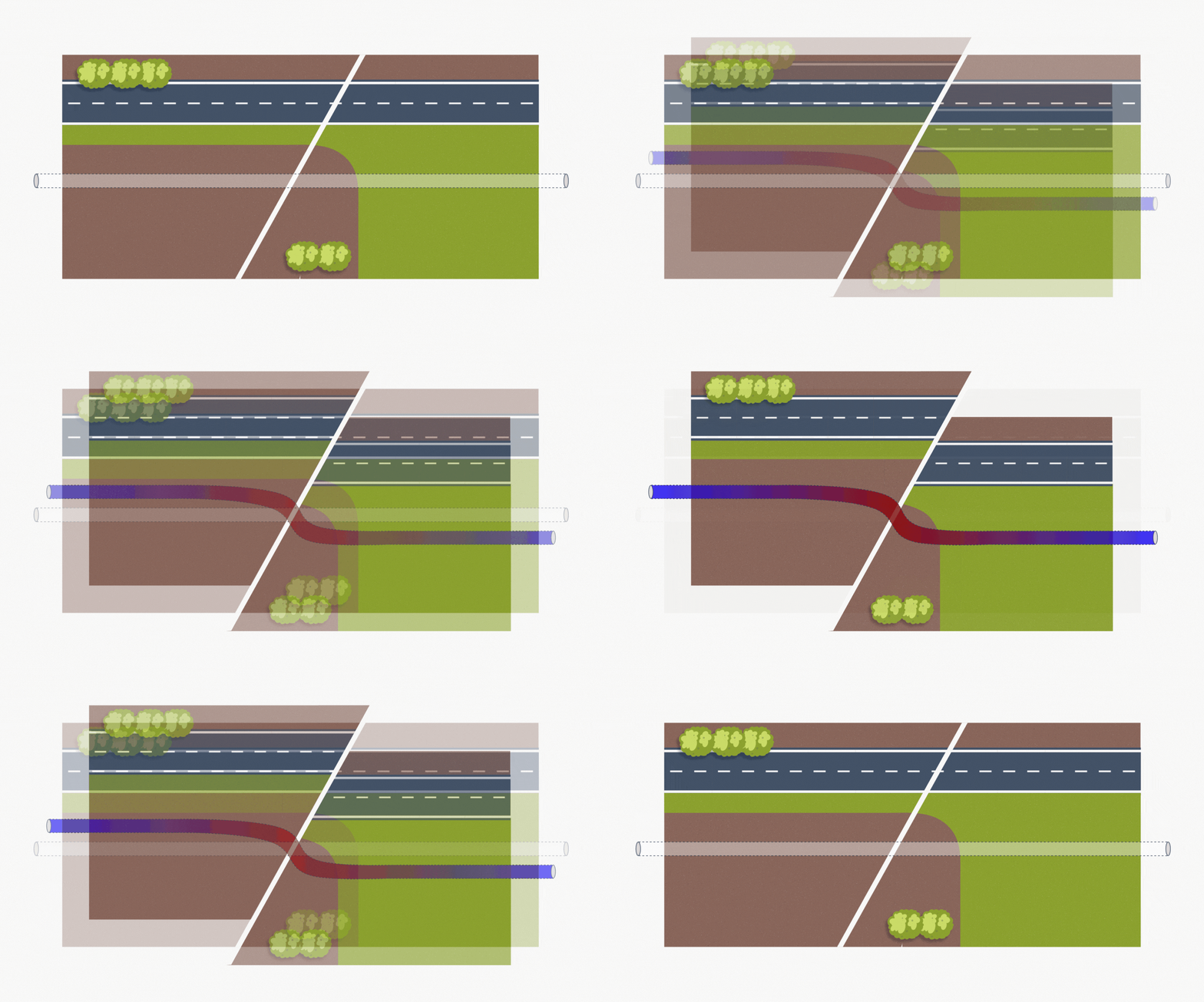
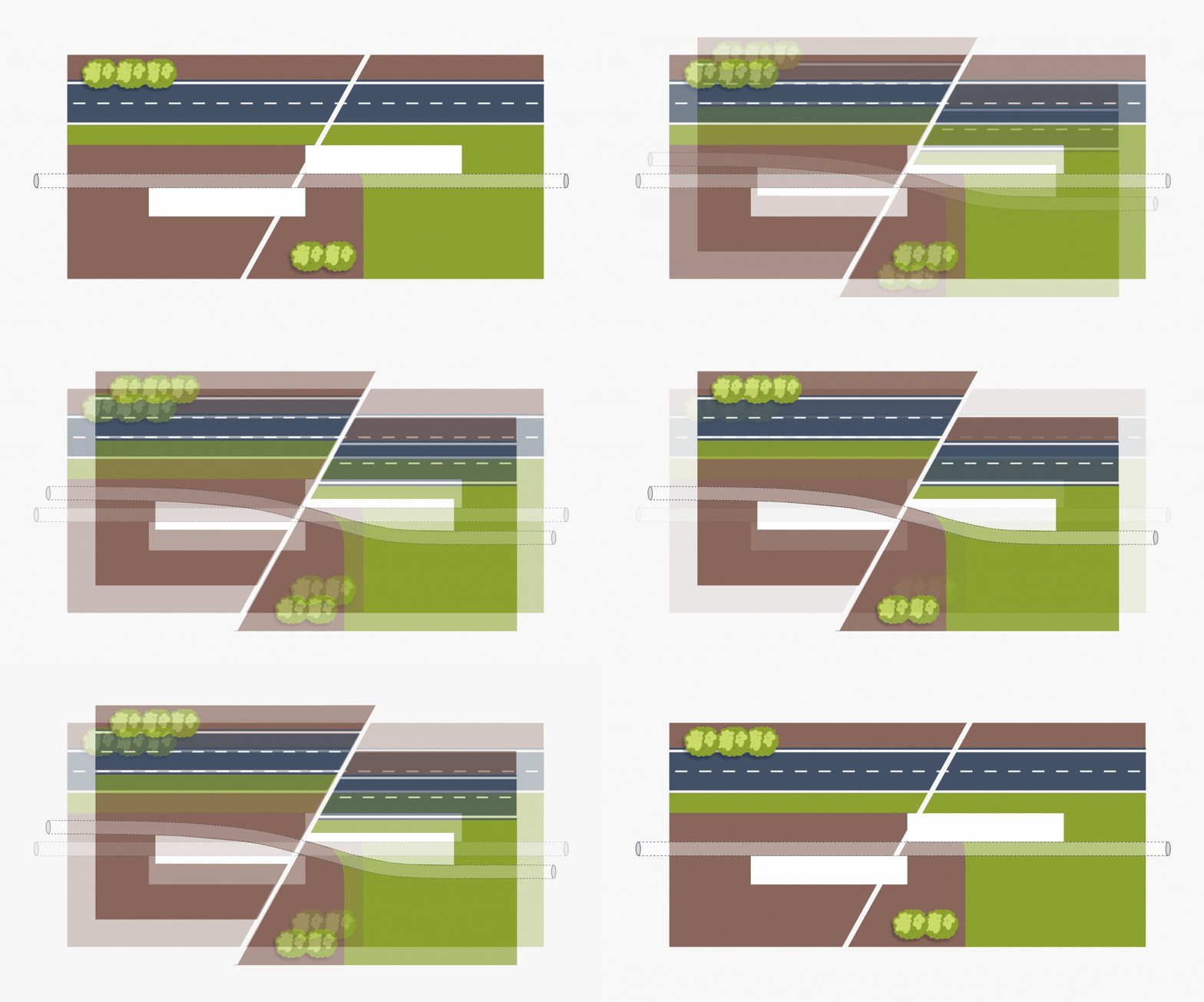
When a pipeline crosses a strike-slip fault at a perpendicular angle, the pipeline is primarily subjected to bending forces. This is because the fault movement is mostly horizontal, causing the pipeline to bend as it crosses the fault zone. The lateral movement also causes tension in the pipe since it needs to elongate, deforming from a straight line to “S” shape. Increasing the length of the transition zone via installation of the Geobuffer system reduces localized curvature and elongation and subsequently the strain.
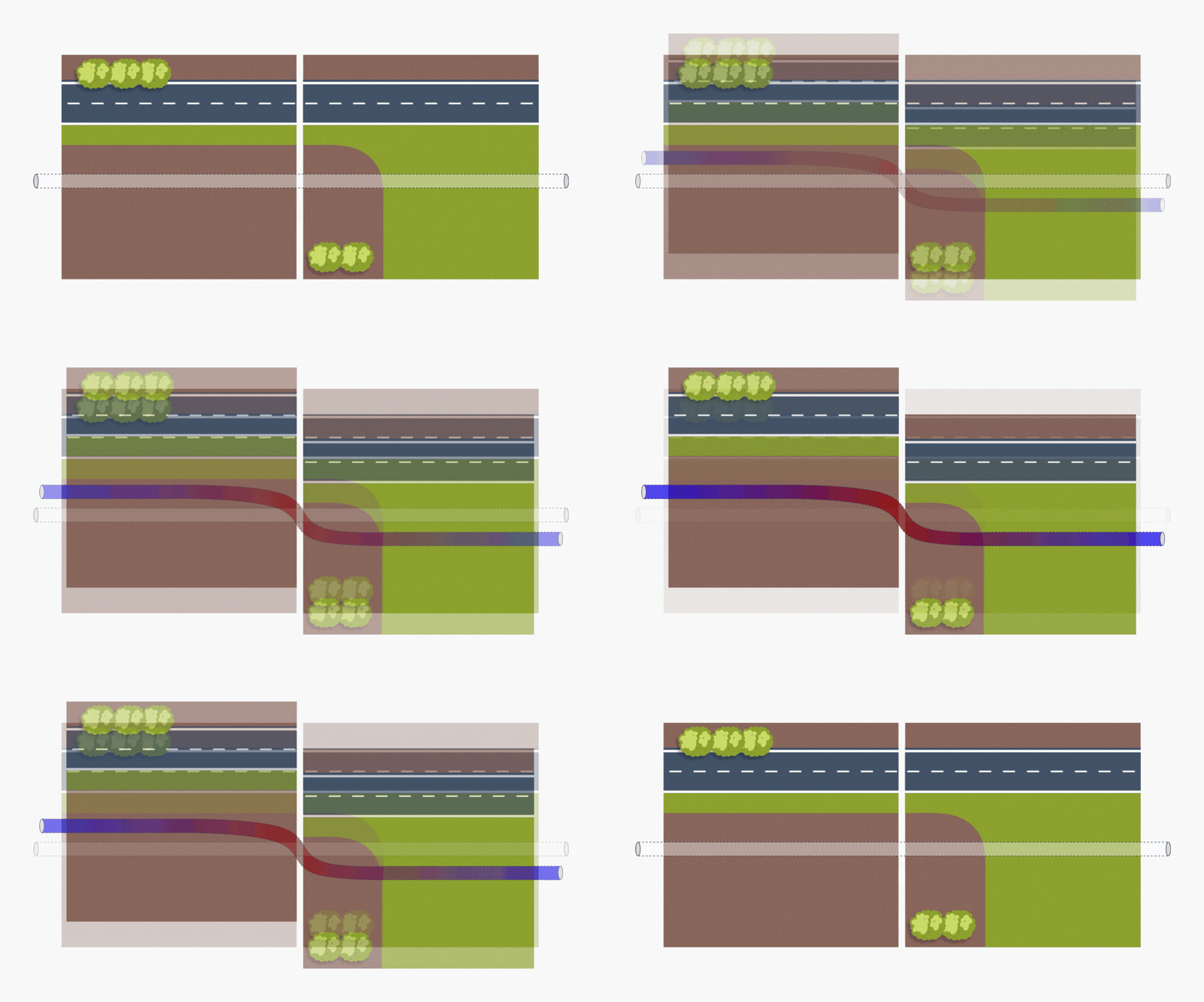
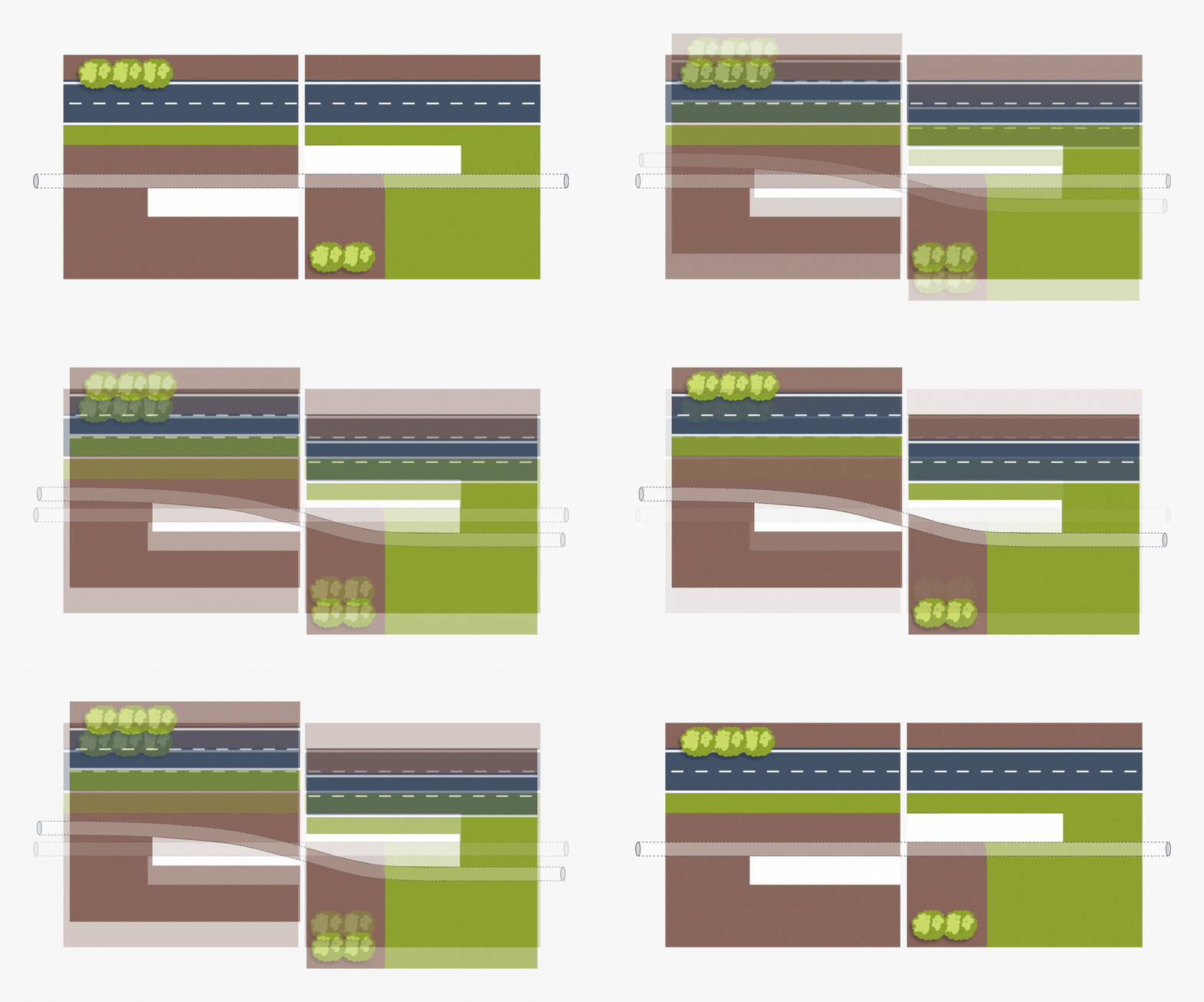
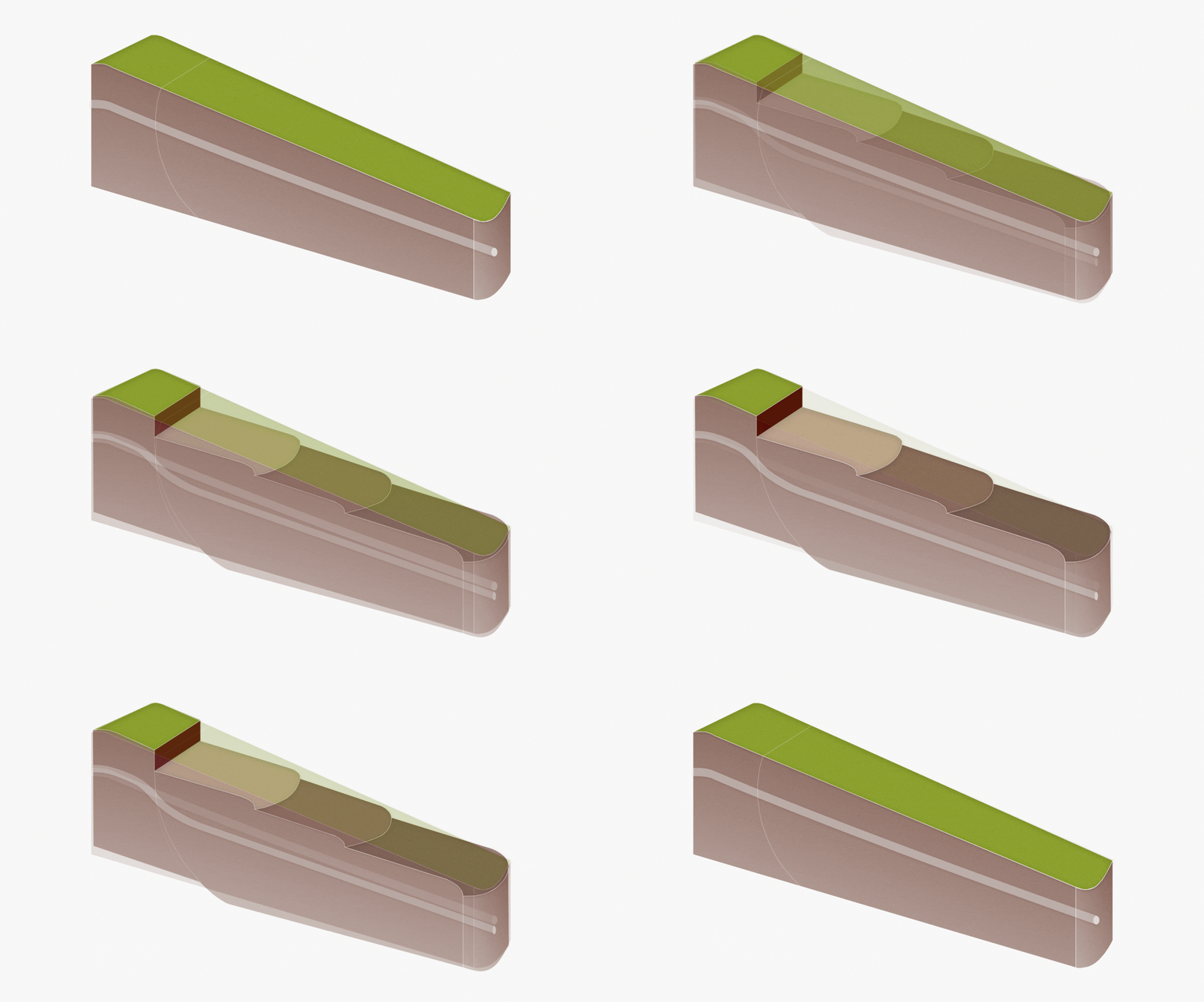
At the scarp locations, landslide movements cause vertical and axial displacements to the pipelines crossing parallel or sub parallel to the landslide movement direction. Top installation of the Geobuffer system on the lower side of this scarp location helps the pipe to distribute applied vertical and axial displacements and develop significantly less longitudinal string
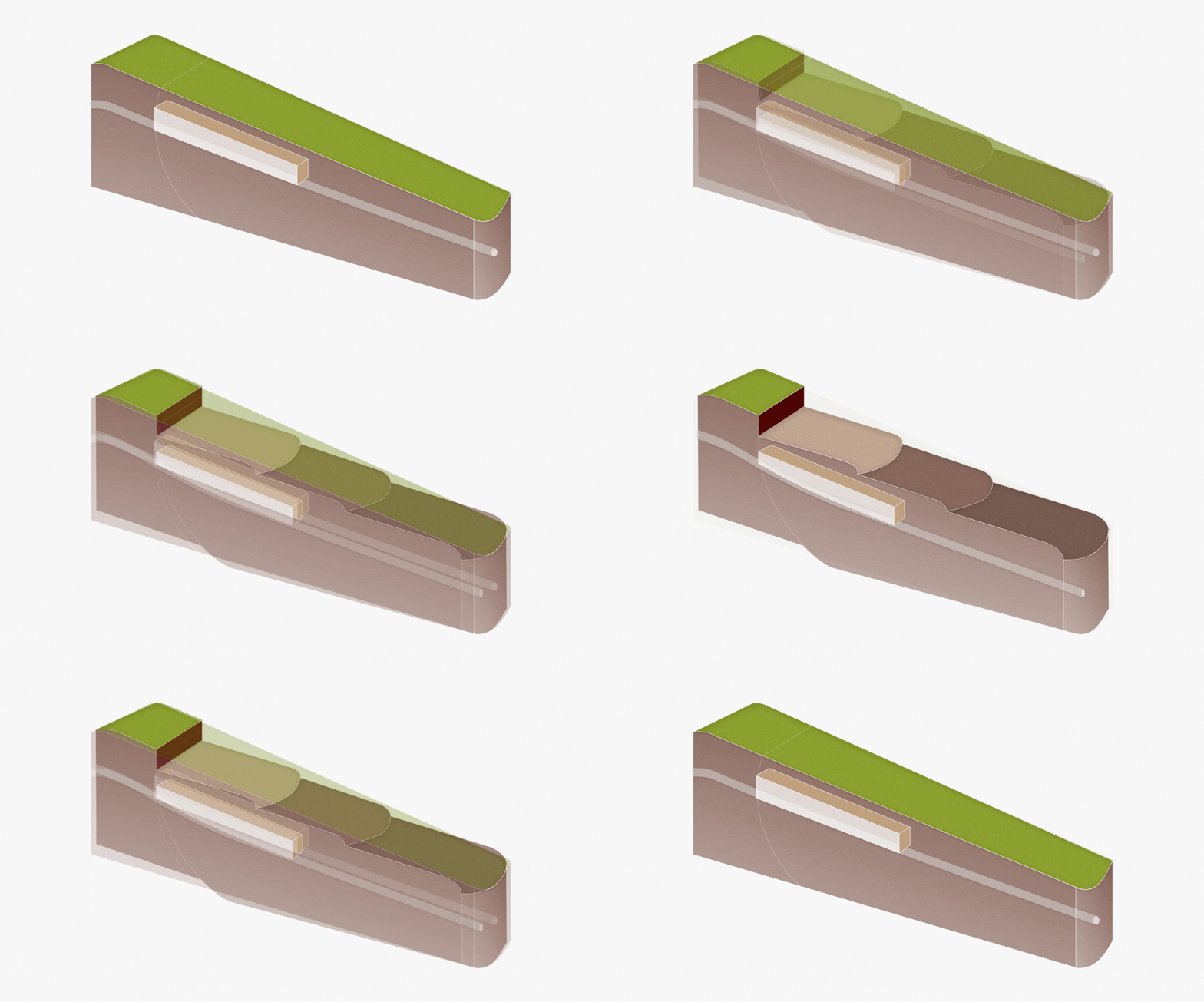
Lateral and oblique landslide movements cause bending and axial strains in pipelines. Side installation of the Geobuffer system on lateral or oblique landslides can significantly reduce the impact of movement on the pipe. The middle section of the installation reduces the applied displacement experienced by the pipe, and the otter segments increase the length of transition zone which reduces the concentration of strain.
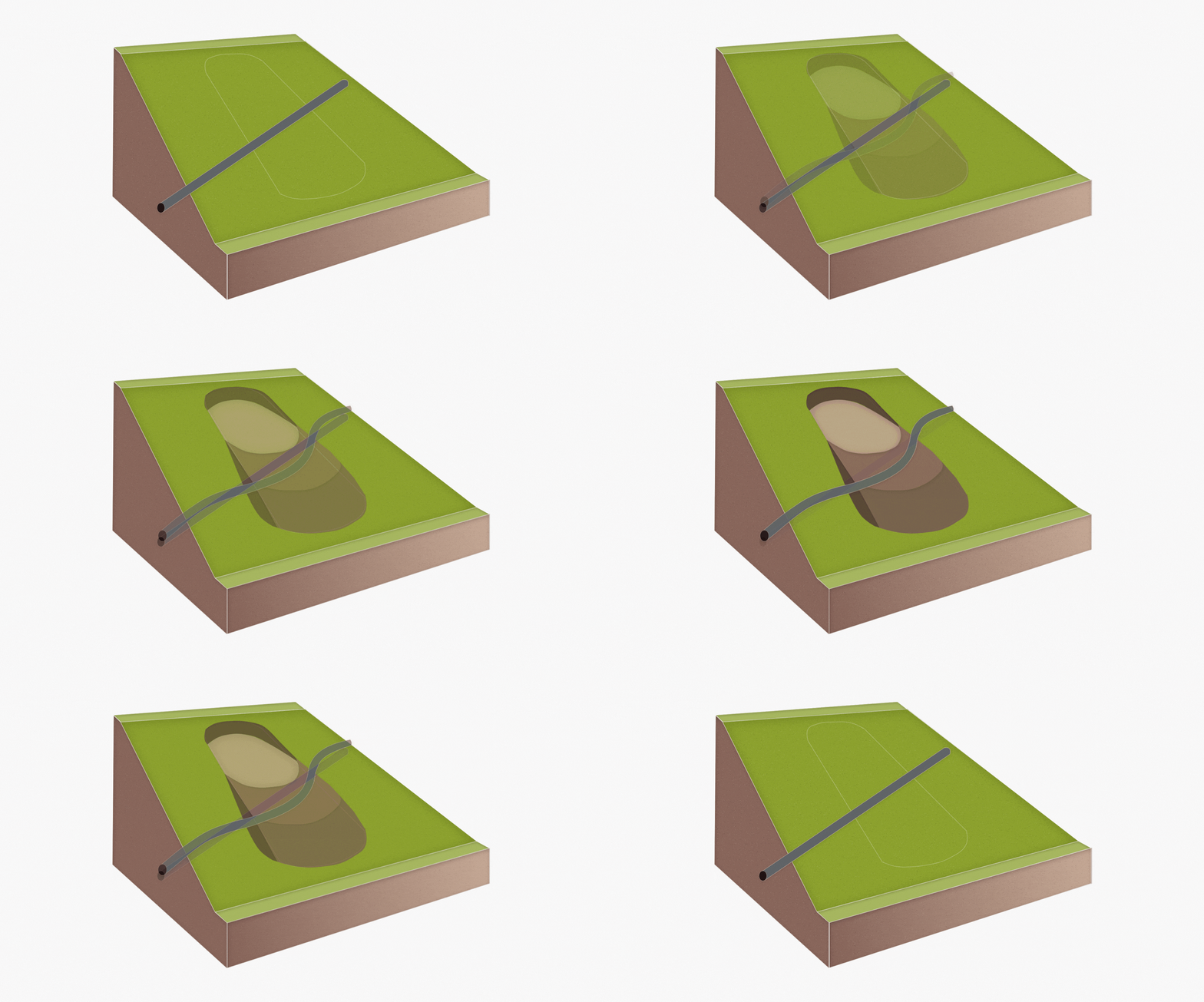
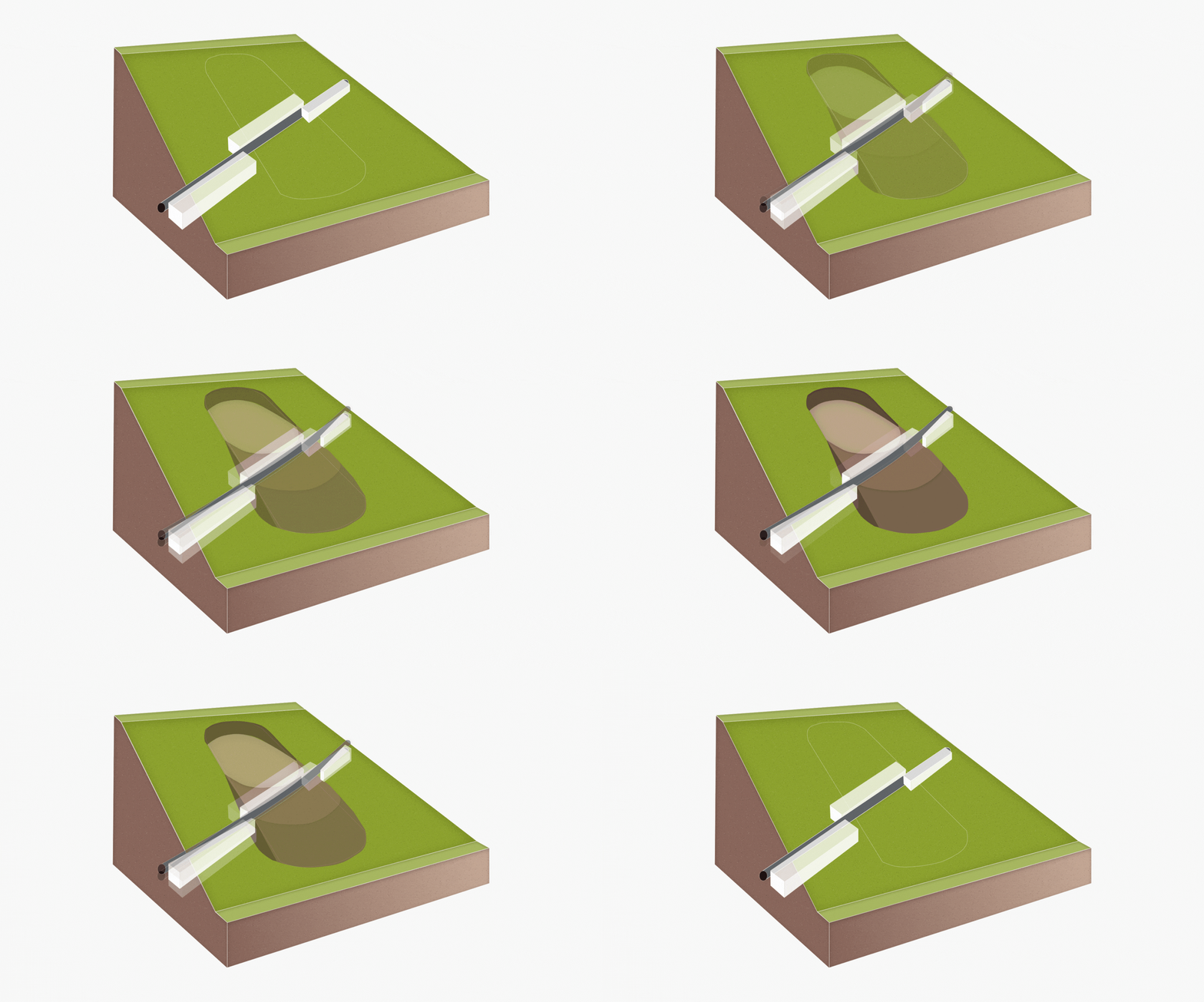
In this approach, the site modification is relatively localized and near the pipe, unlike extensive site mitigations that alter the overall site condition and may extend beyond the right of way (e.g., rerouting or slope stabilization).
The Geobuffer system can provide a high displacement tolerance capacity while keeping the pipe underground without relying on aboveground flexible structures and avoiding pipe exposures.
Ideal for landslides, fault crossings, permafrost, and areas prone to differential ground movement. Having more controlled and measured mechanical properties (compared to in-situ soil or even selected backfills) enables better performance evaluation and strain growth forecasts.
Made of lightweight materials, easy to transport and install without special lifting equipment.
Can be implemented as a standalone project or combined with geotechnical solutions for added protection.
Uses Inertial Measurement Unit (IMU), LiDAR, and other advanced surveying technologies for precise assessment and design.
Pre-installed sensors provide real-time monitoring of ground movements, and system performance.
Superior performance-to-cost ratio–matches the failure reduction and service life extension of other methods at a fraction of the cost.
No need for service shutdowns, extra pressure restrictions, work outside the right of way, or complex excavation processes.
The implementation of the GeoBuffer system follows a structured design process to ensure optimal performance and reliability. From initial assessment to remote monitoring, each step is carefully planned and executed to enhance pipeline resilience against ground movements. This systematic approach ensures seamless integration with existing infrastructure while minimizing costs and installation complexities.



(Strike-slip, normal, reverse, and combined faults at any angle)
(Different movement velocities & crossing angles: lateral, oblique, sub-parallel)
(Up to 30 feet of movement in all directions: longitudinal, lateral, vertical)
New or existing pipelines can be upgraded to sustain a higher magnitude of ground movement while avoiding strain/stress concentrations. The cost of engineering, material and installation of the Geobuffer system is usually much lower than the mob/demob and excavation/backfill costs. Therefore, the most cost-effective way of implementing the Geobuffer system is to add it to an existing project.

It is a proactive capital investment to upgrade the asset resilience and performance against geohazards.

An inexpensive add-on to ongoing projects construction or mitigation project that multiplies the value/life.
The implementation of the GeoBuffer system follows a structured design process to ensure optimal performance and reliability. From initial assessment to remote monitoring, each step is carefully planned and executed to enhance pipeline resilience against ground movements. This systematic approach ensures seamless integration with existing infrastructure while minimizing costs and installation complexities.
The scope development starts with an assessment of the pipeline and the hazard characteristics through reviewing available data (e.g., IMU, LiDAR, strain gauges, field/geotechnical reports, etc.).

The preliminary scope defines element sizes and layout based on input data and target displacement. Pipe strain is estimated, followed by an evaluation of constructability, construction sequencing, instrumentation, and geotechnical coordination.

Subsequently, the preliminary scope is finalized through detailed strain analysis using finite element modeling including pipe-soil-Geobuffer interactions. Modifications to the preliminary design are applied if required.


The design is finalized by confirming the size and layout of the Geobuffer elements and system layout. Material take-off, fabrication and construction drawings.

Having the design finalized, the Geobuffer blocks, and associated parts are fabricated, packaged and transferred to the site.
.avif)
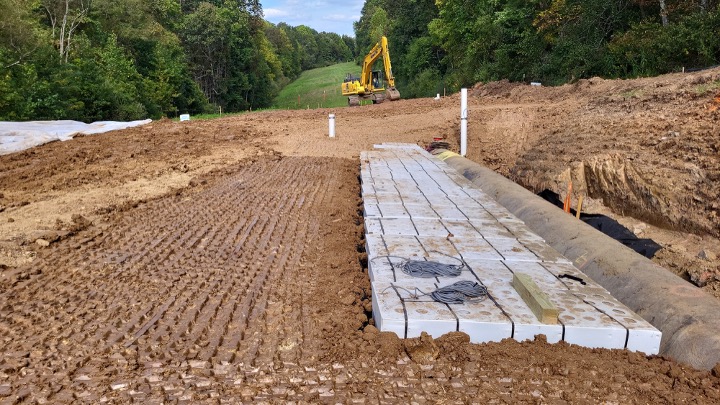
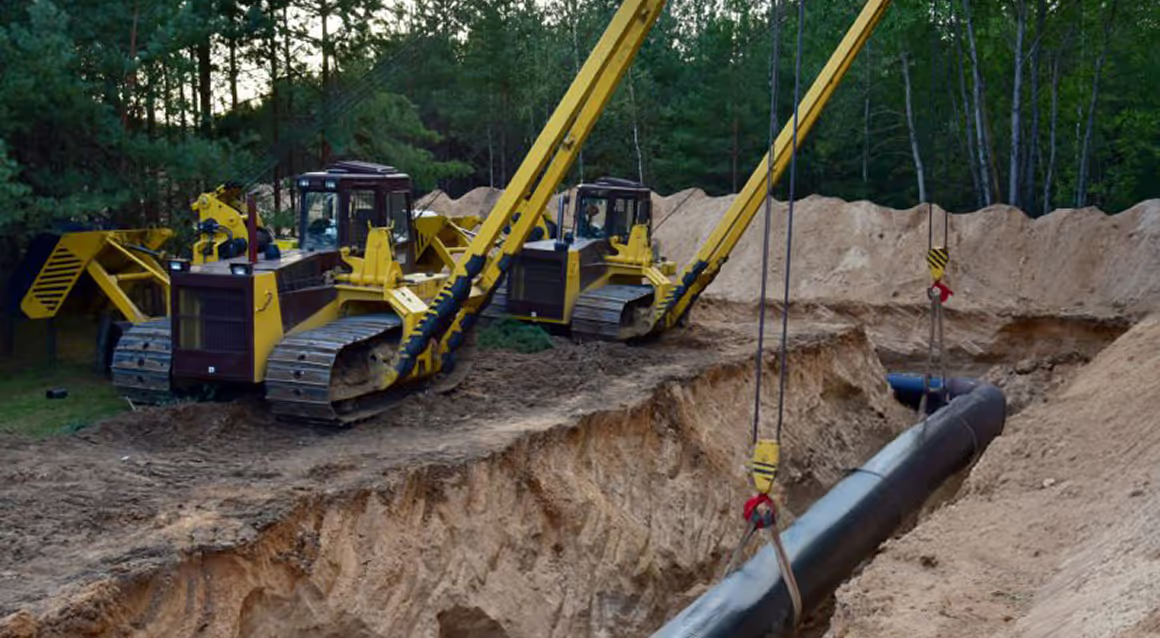
The Geobuffer system is installed base on the drawings and installation instruction provided in the construction package.
.avif)
Pre-mounted sensors are installed in select Geobuffer blocks to monitor deformation after installation. These sensors connect to a Remote Monitoring Unit (RMU) on-site, providing real-time data with minimal effort.

The concept behind the Geobuffer is to improve pipe boundary conditions, allowing for more effective distribution of applied displacements. This idea is not new; it has been utilized in piping design and construction through application of products like pipe expansion boxes and Ethafoam.
However, similar solutions have not been widely adopted for geohazard crossings. The primary challenge in using “boundary condition modification” for geohazard crossings is the need for detailed knowledge of movement location, boundaries, rate, and magnitude. This level of understanding has only recently become available due to advancements in survey technologies such as Inertial Measurement Units (IMU) and Light Detection and Ranging (LiDAR).
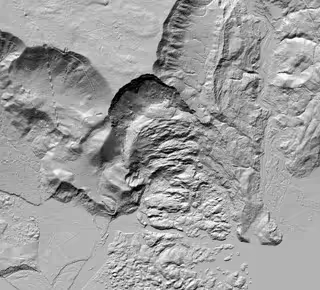
These technologies provide unprecedented data on ground movement activities and pipe responses at geohazard sites, making such design methods more accessible. Another challenge is that existing homogeneous foams can only accommodate inches of movement, which is insufficient for geohazard-induced ground movements that can span several feet. Additionally, installing large sizes of isotropic material is not feasible, as the soft material can be crushed under normal or deep backfill heights or overburden pressure.In 2015, development of a system with unique properties was started to address these challenges. Named Geobuffer, this system can accommodate several feet of pipe displacement caused by ground movements. With its anisotropic properties, the Geobuffer system generates resistance force that is significantly smaller compared to conventional soil-type backfills and can withstand large backfill weight and soil and overburden pressures without compromising its flexibility.
ALFA Upgrades has collaborated with the University of Alberta pipeline research group to complete a series of numerical and experimental studies to develop this technology. The research and development of the Geobuffer system began with a preliminary performance evaluation through literature review and analytical studies.
Following the initial confirmation of the theory, a comprehensive research project was initiated, encompassing both numerical and experimental studies to examine the local and global behavior of the pipe interacting with the Geobuffer system. The primary goal of this project was to establish proof of concept and analyze the system's response at both local and global levels. The project included cross-sectional and global compression tests conducted on NPS 4 specimens. In the cross-sectional tests, the interaction between the pipe, backfill, and orthotropic elements was studied under lateral force/displacement applied horizontally to the pipe.
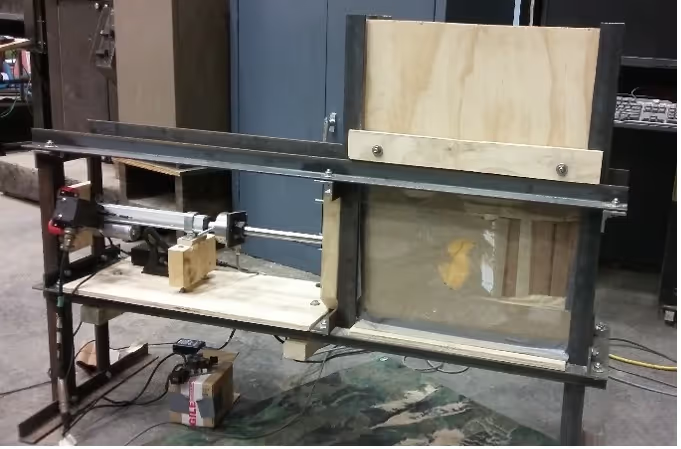
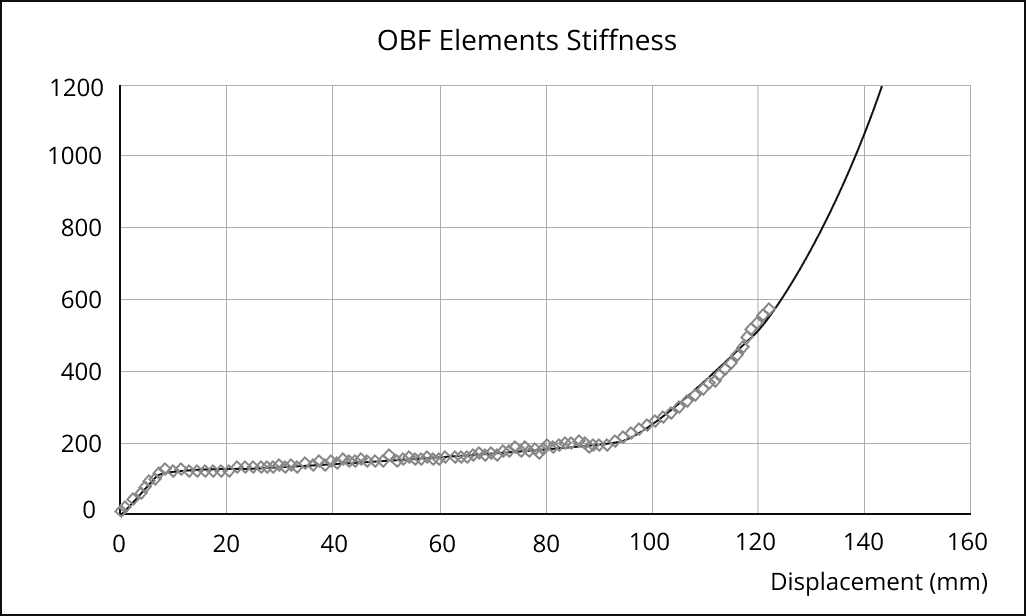
A series of global buckling tests were carried out to examine the system's ability to withstand significant axial compressive displacements while maintaining a hardening response that prevents strain concentration and wrinkle formation. The pipe and setup size were chosen to represent a comparable ratio of pipe axial stiffness to soil and Geobuffer resistance found in larger transmission lines.
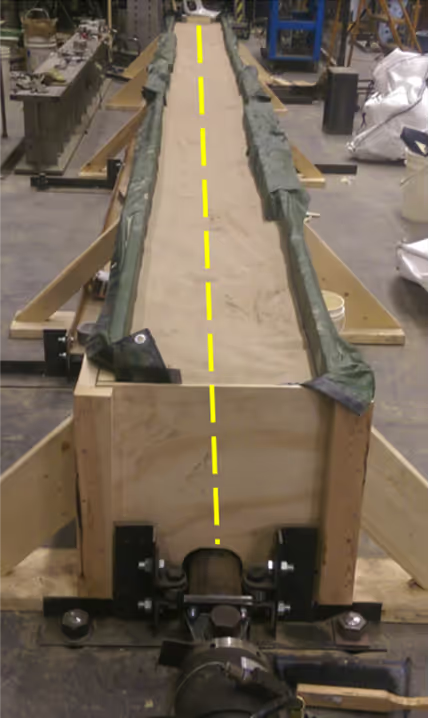
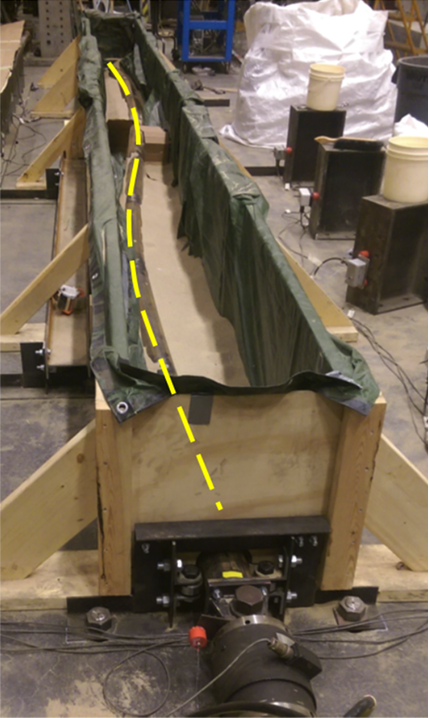
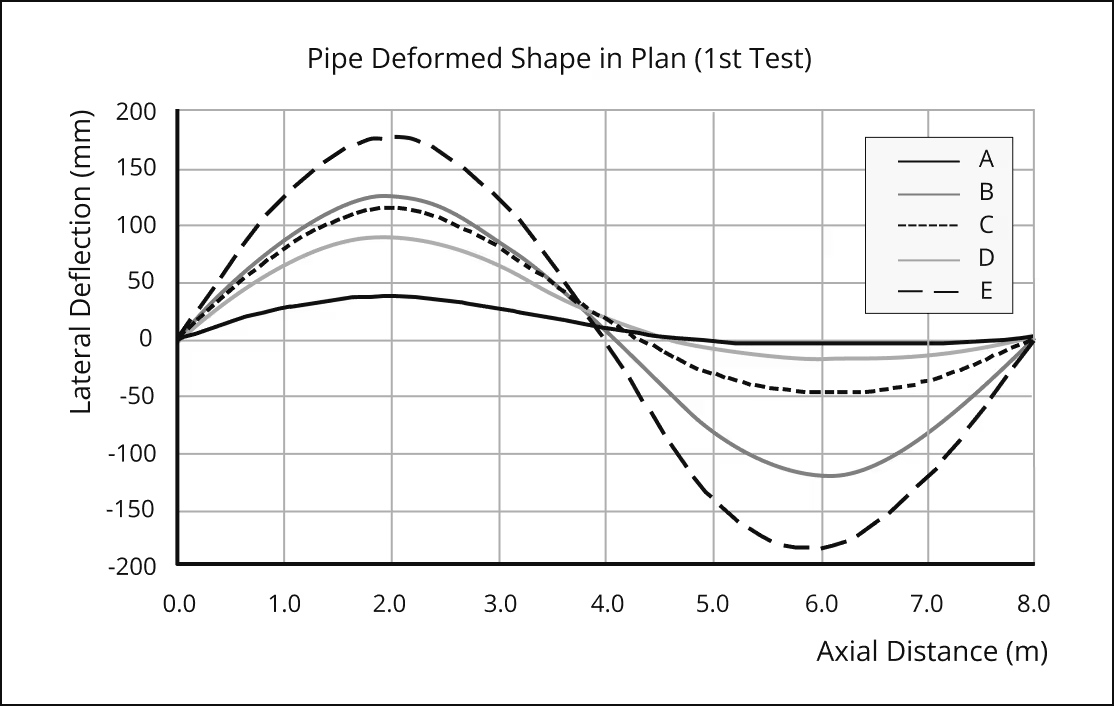

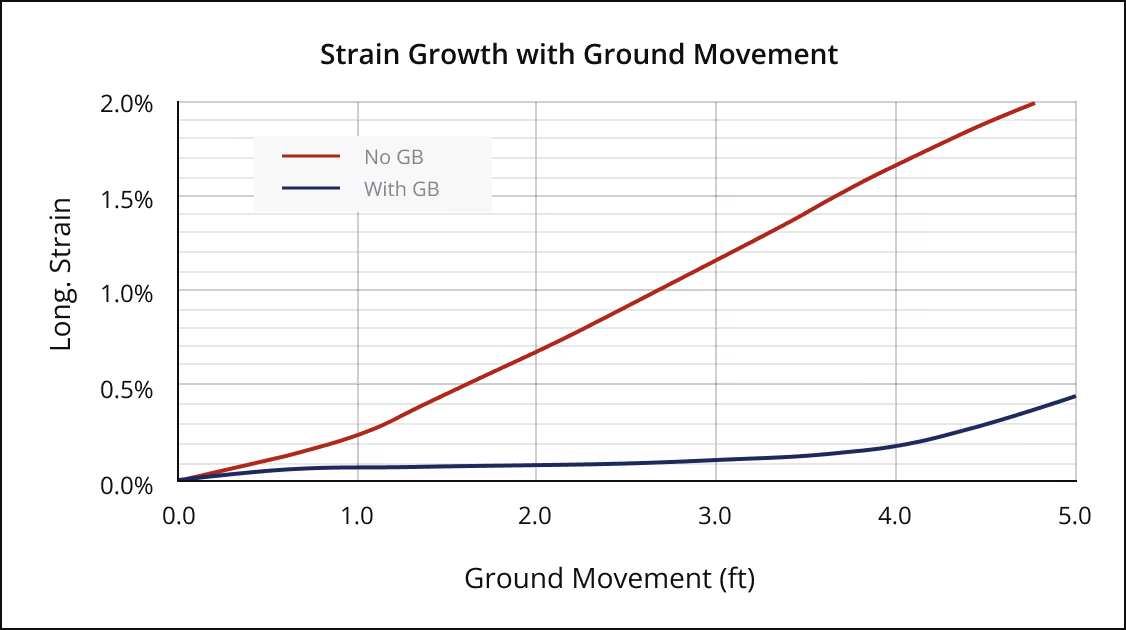
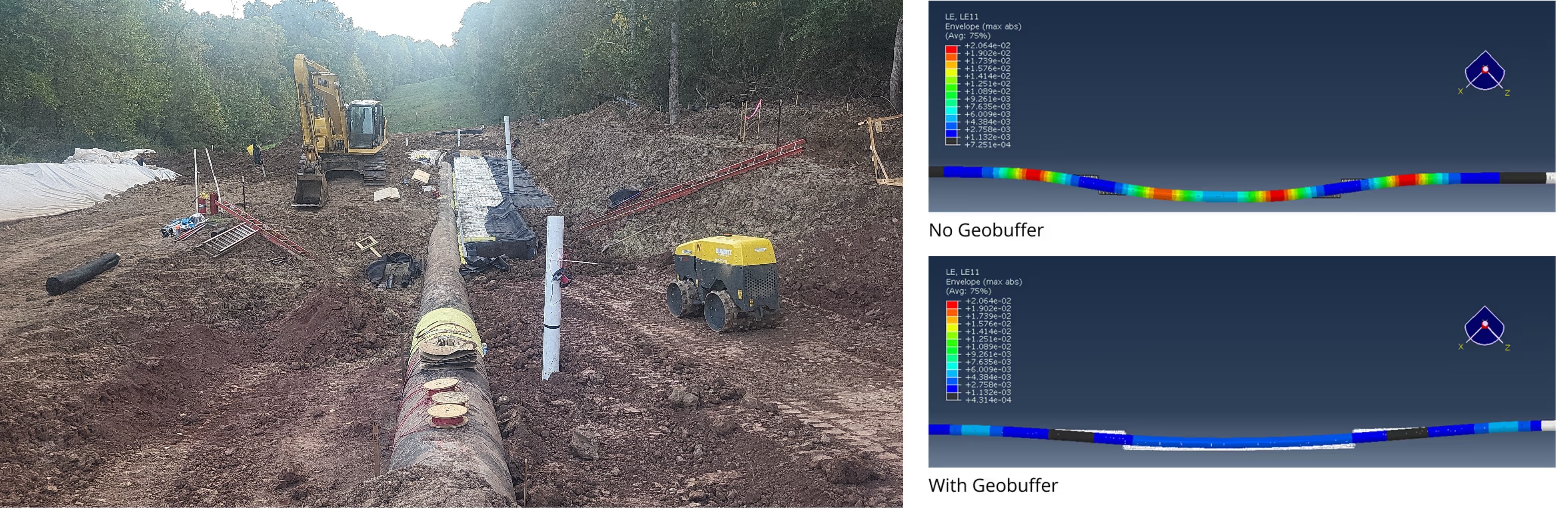
The database generated in this study, which includes force-displacement responses under lateral loads, was used to model hypothetical pipes under field conditions affected by ground movements, including compressive displacements. The results indicate that installing such a system at the appropriate location and arrangement can lead to a much more favorable strain distribution in the pipe and prevent strain concentration. Consequently, the pipe can tolerate relatively large displacements while maintaining an adequate safety margin to limit state events.
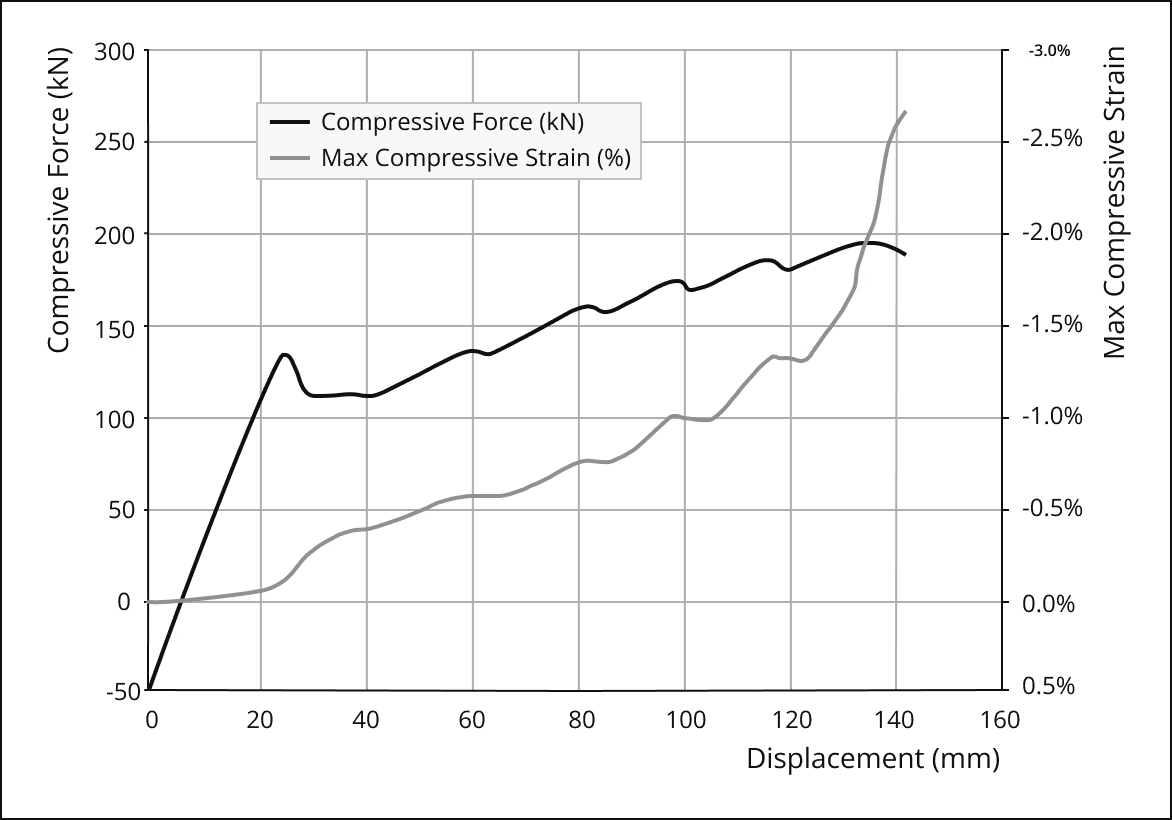
ALFA Upgrades has collaborated with the University of Alberta pipeline research group to complete a series of numerical and experimental studies to develop this technology. The research and development of the Geobuffer system began with a preliminary performance evaluation through literature review and analytical studies.
Following the initial confirmation of the theory, a comprehensive research project was initiated, encompassing both numerical and experimental studies to examine the local and global behavior of the pipe interacting with the Geobuffer system. The primary goal of this project was to establish proof of concept and analyze the system's response at both local and global levels. The project included cross-sectional and global compression tests conducted on NPS 4 specimens. In the cross-sectional tests, the interaction between the pipe, backfill, and orthotropic elements was studied under lateral force/displacement applied horizontally to the pipe.
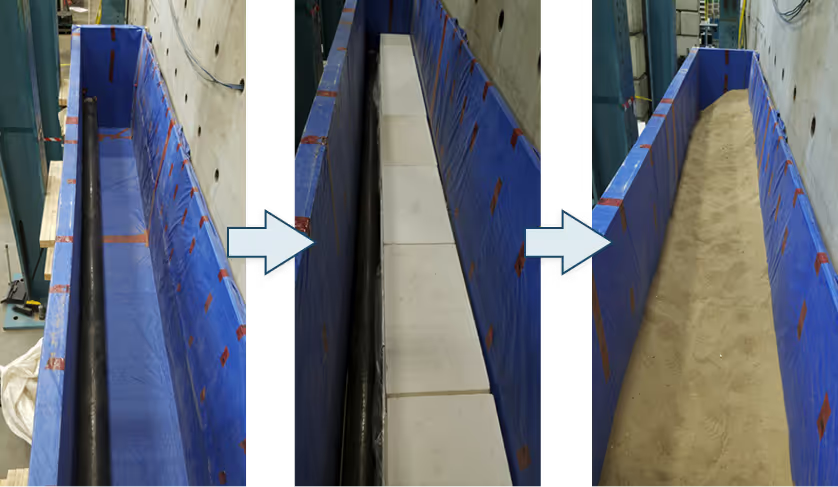
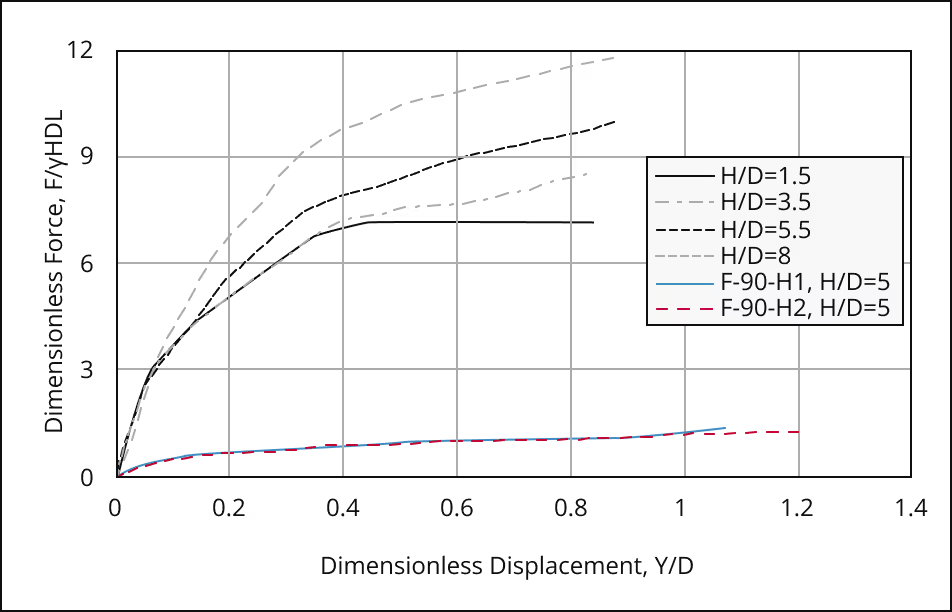
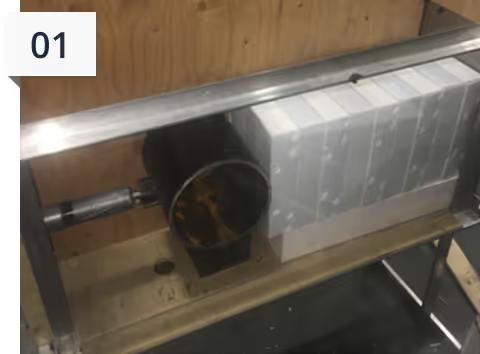
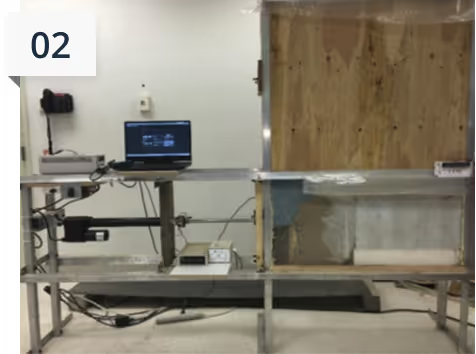
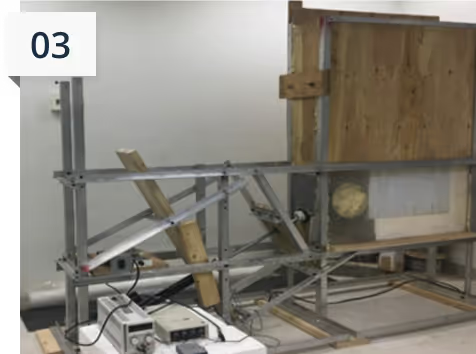
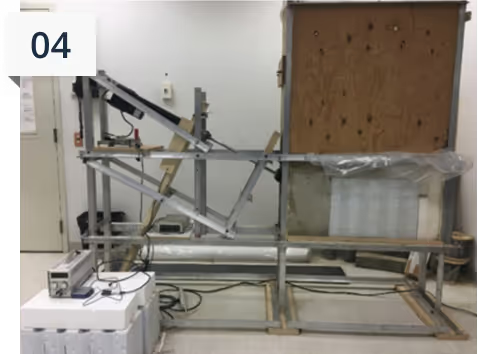
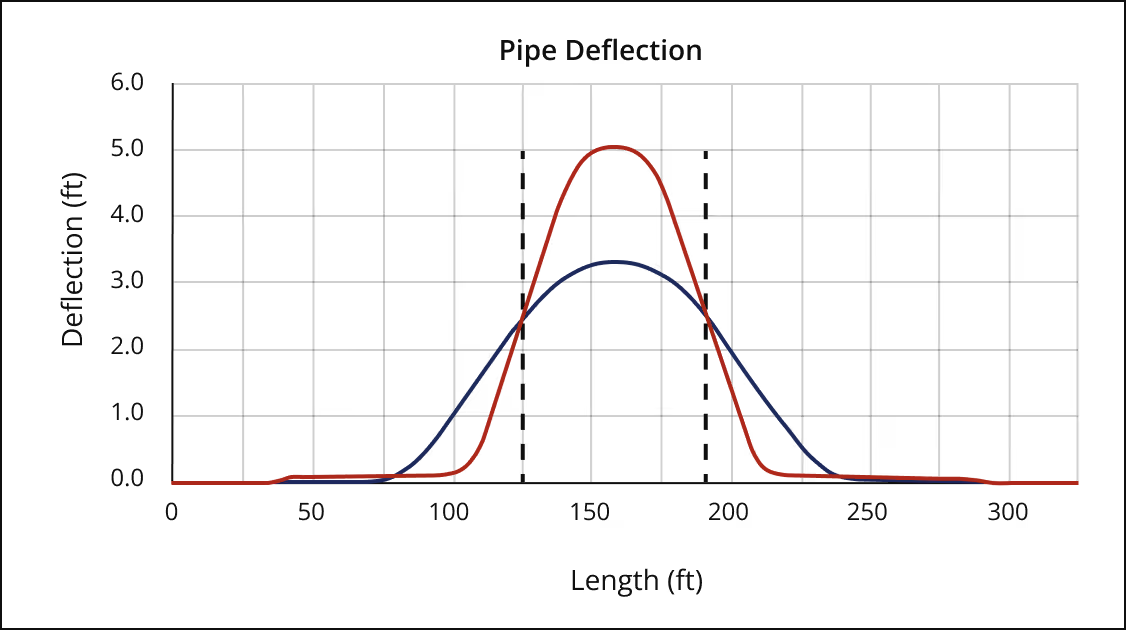
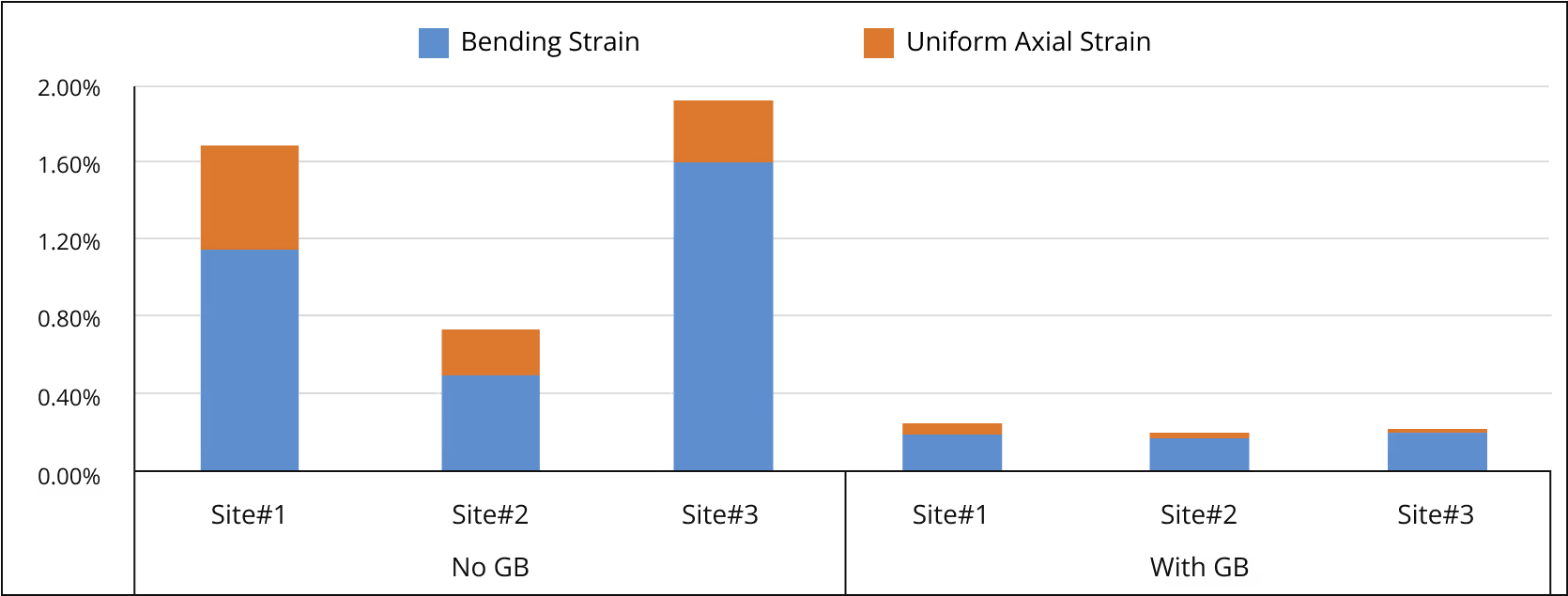
By understanding the mechanical behavior of Geobuffer elements, this system's performance can be evaluated for various pipe and ground movement scenarios. In the subsequent development phase, three geohazard sites with different pipe sizes and ground movement characteristics were selected to develop a hypothetical scope for Geobuffer installation. This study aimed to demonstrate an improvement and scope of work for real pipe movement scenarios. The performance evaluation at each site was conducted using finite element analysis. Pipe and soil properties, as well as Geobuffer properties tailored for each site, were used to build the model, and slide movement was applied to generate the same level of strain and deformation recorded in the latest IMU strain survey. The findings indicated that using Geobuffer elements under different conditions of pipe and ground movements can significantly reduce pipe curvature and bending strain accumulation. Additionally, the use of Geobuffer elements enhances the distribution of lateral and vertical curvature and bending strain and reduces uniform axial strain caused by pipe elongation.The lower uniform axial strain is attributed to Geobuffers yielding a smoother deformed shape, thereby reducing pipe extension over short distances. A comprehensive performance study of these real-world cases involving pipes deformed by ground movements confirmed the feasibility of this method as an alternative remediation strategy for geohazard management.