
.svg)

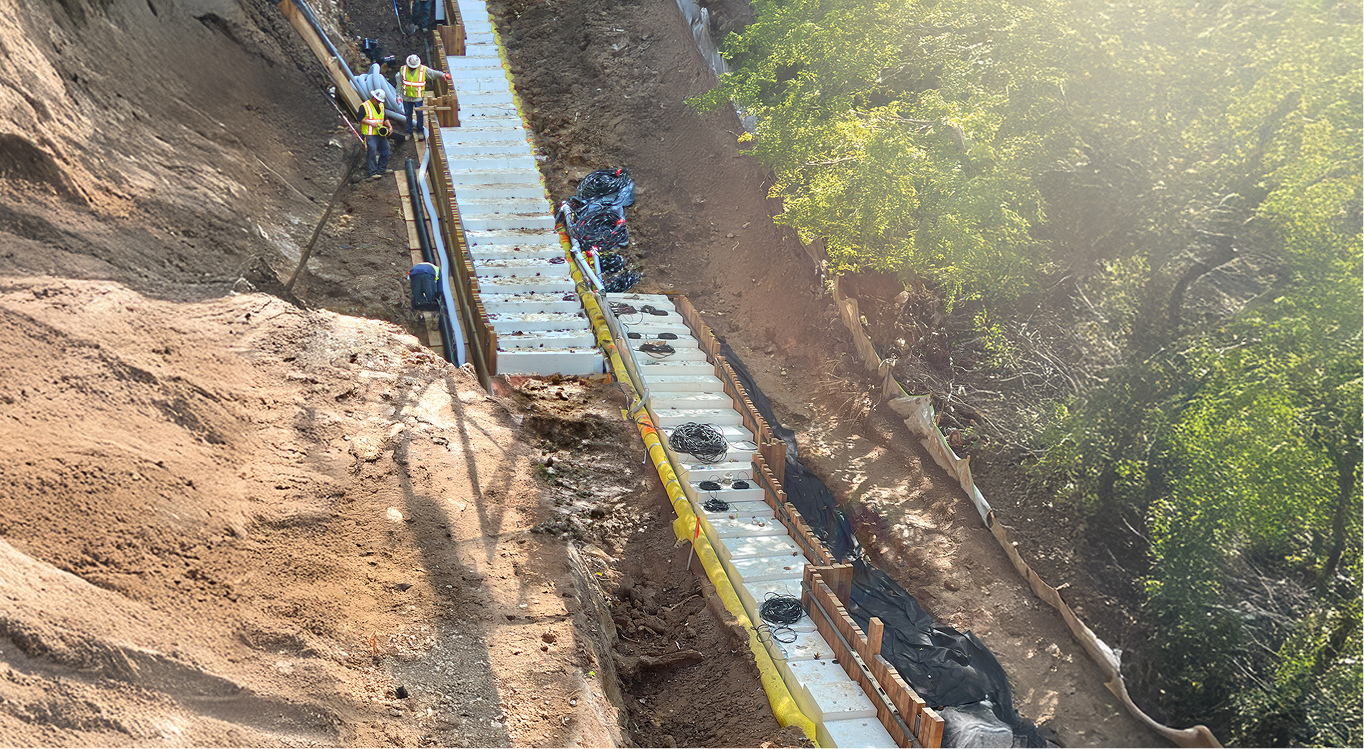
| Location | Hazard | Installation Year |
No of Installations |
Pipeline | Installation length |
Monitoring | Design Life |
|---|---|---|---|---|---|---|---|
| East Tennessee, USA |
Oblique Landslide | 2023 | 1 | 8-inch Natural Gas |
96 ft | Yes | 50 Years |
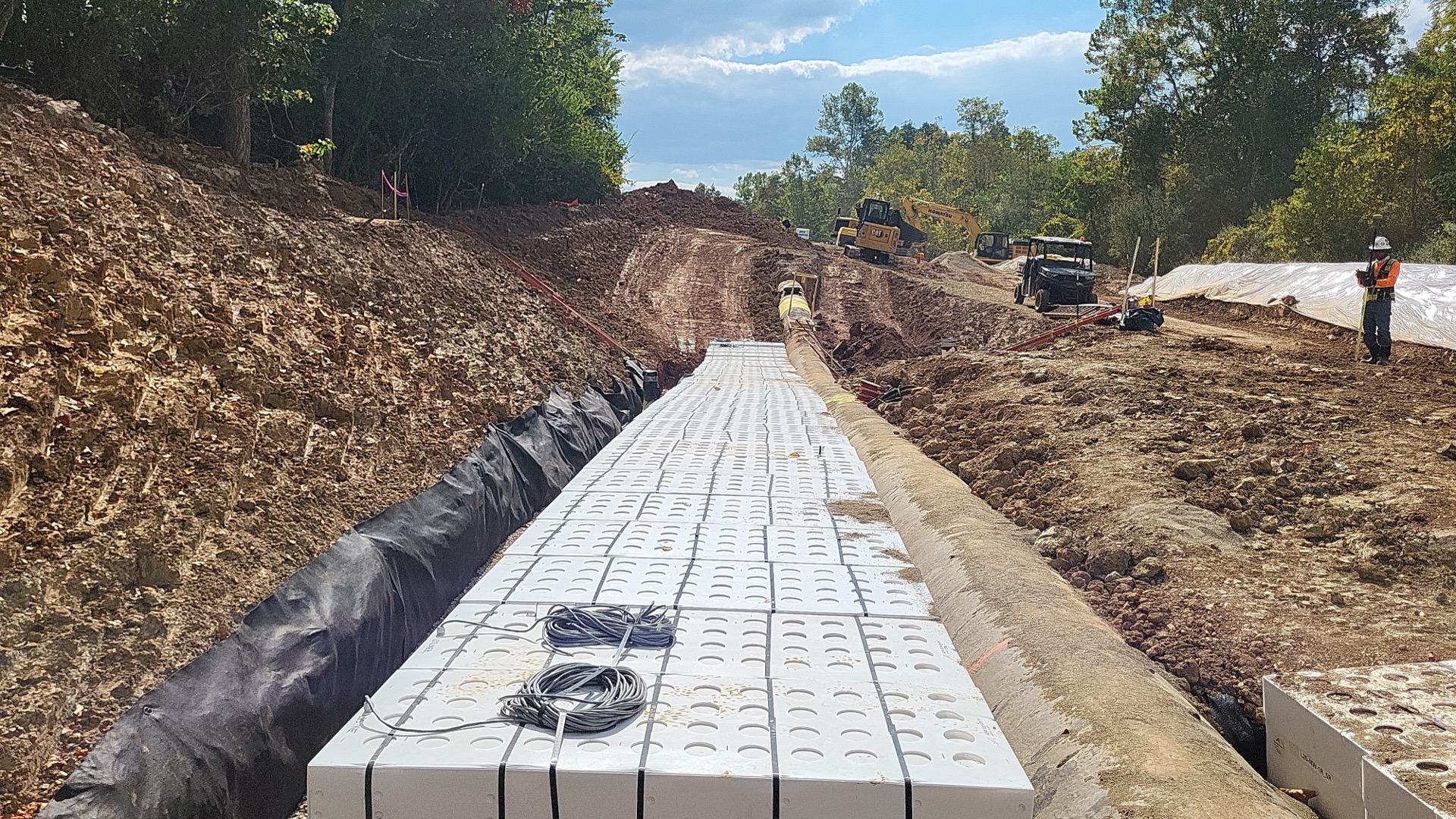
| Location | Hazard | Installation Year |
No of Installations |
Pipeline | Installation length |
Monitoring | Design Life |
|---|---|---|---|---|---|---|---|
| South Ohio, USA |
Lateral Landslide | 2025 | 1 | 36-inch Natural Gas |
150 ft | Yes | 40 Years |
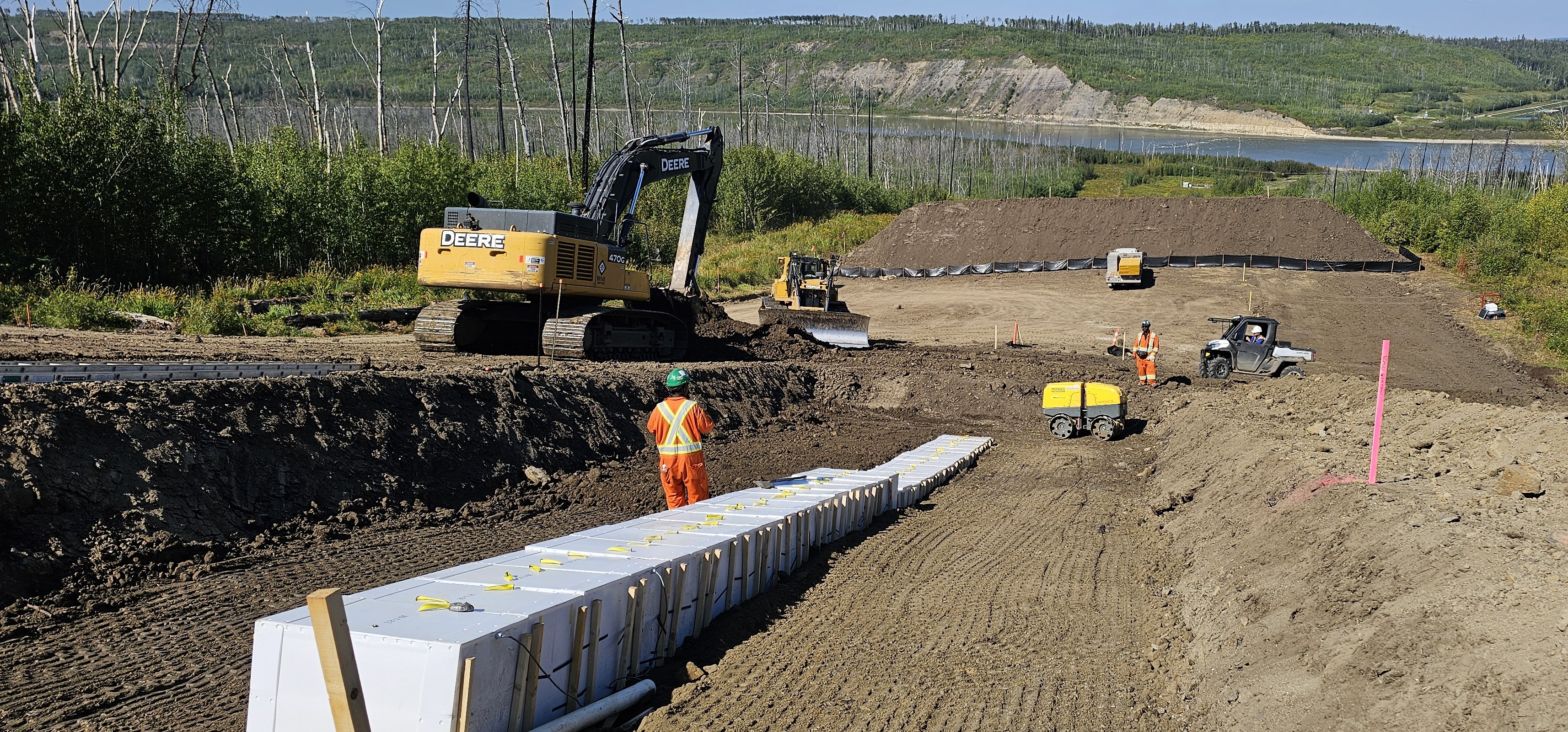
| Location | Hazard | Installation Year |
No of Installations |
Pipeline | Installation length |
Monitoring | Design Life |
|---|---|---|---|---|---|---|---|
| North Alberta, Canada- Site 1 |
Parallel landslide with vertical drop at scarp movement |
2025 | 2 | 30-inch Crude Oil |
64 ft | Yes | 40 Years |
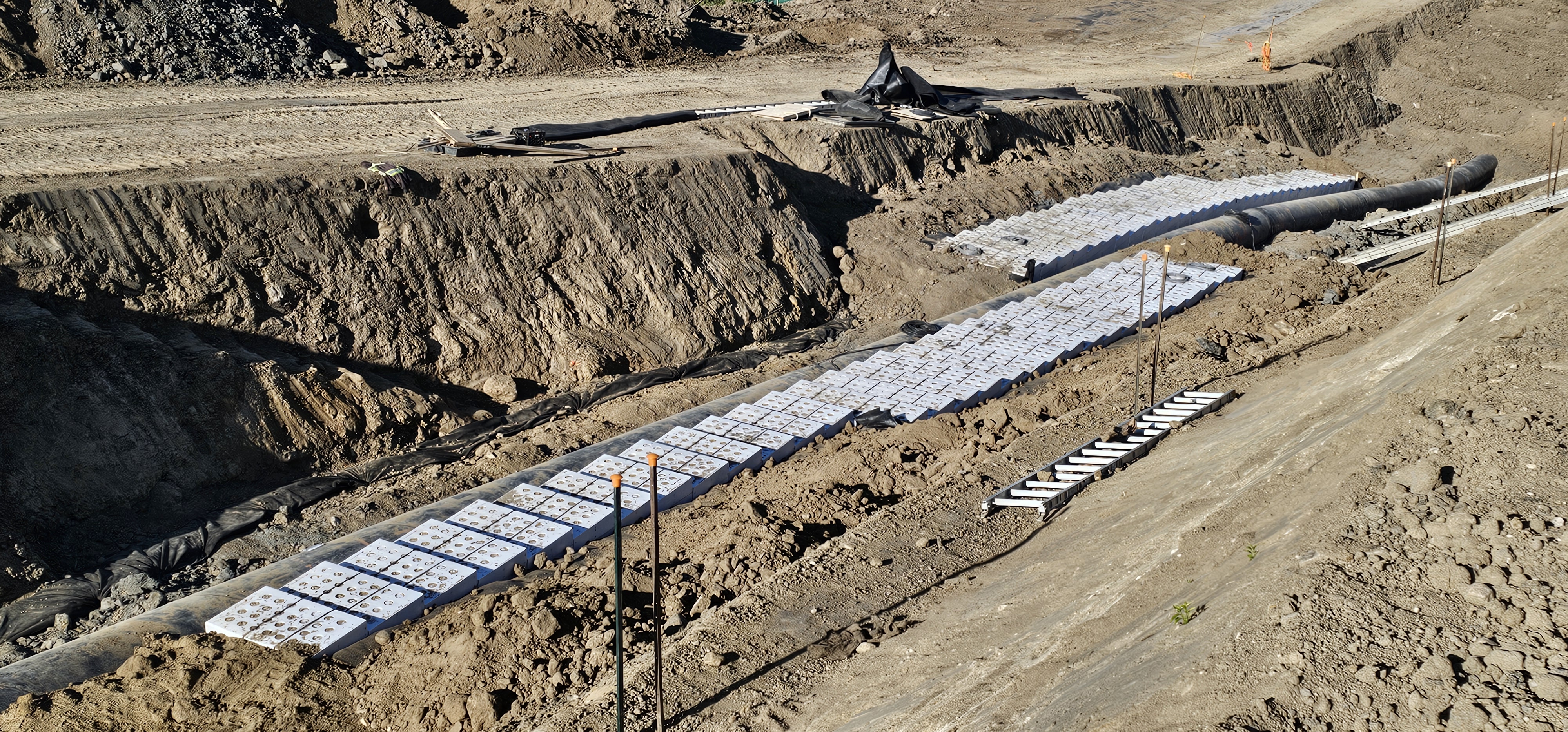
| Location | Hazard | Installation Year |
No of Installations |
Pipeline | Installation length |
Monitoring | Design Life |
|---|---|---|---|---|---|---|---|
| North Alberta, Canada- Site 2 |
Parallel landslide with vertical drop at scarp |
2025 | 4 | 30-inch Crude Oil |
64 ft | Yes | 40 Years |
| Oblique Landslide | 2025 | 2 | 30-inch Crude Oil |
124 ft | Yes | 40 Years |
| Location | Hazard | Installation Year |
No of Installations |
Pipeline | Installation length |
Monitoring | Design Life |
|---|---|---|---|---|---|---|---|
| North Alberta, Canada-Site 3 |
Oblique Landslide | 2025 | 3 | 30-inch Crude Oil |
124 ft | Yes | 40 Years |
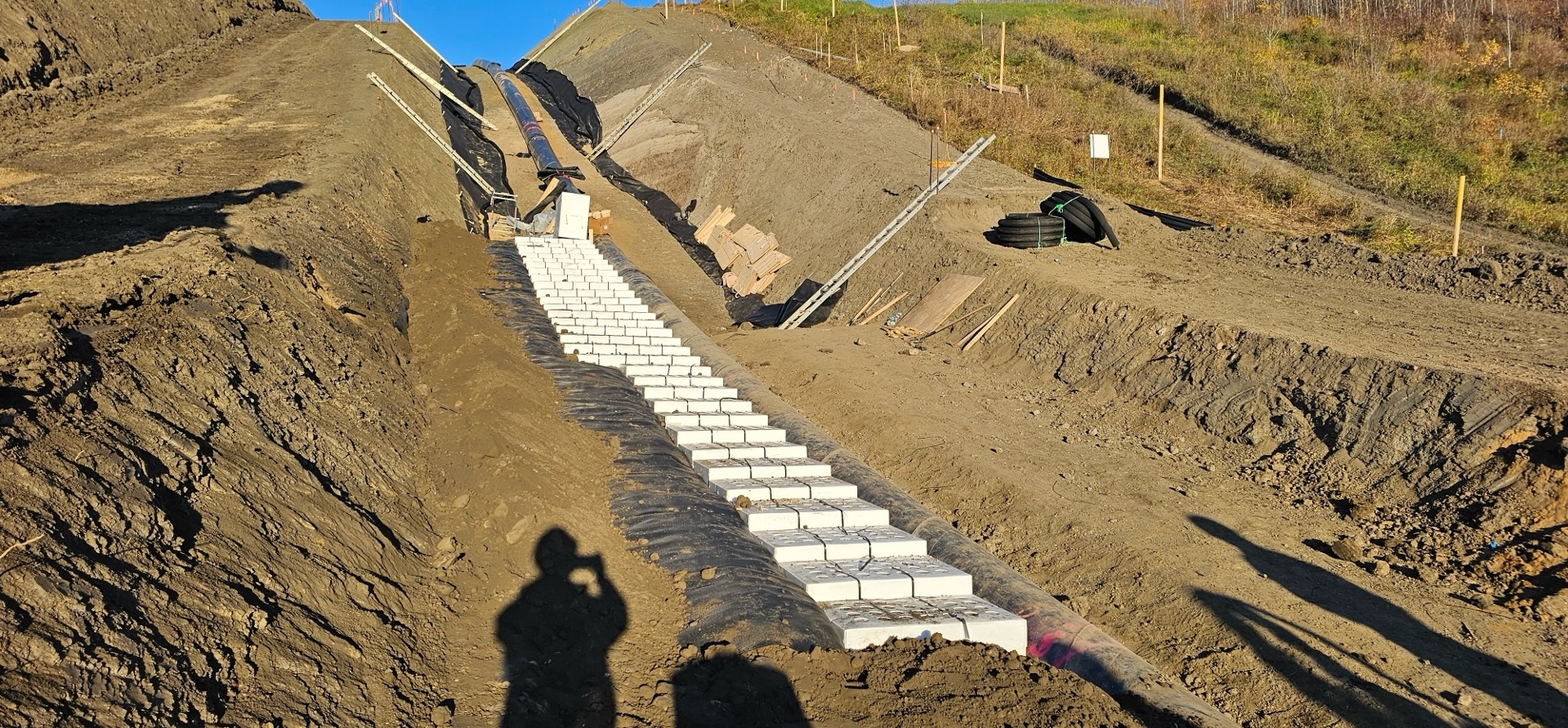

ALFA Upgrades offers alternative and cost-effective integrity solutions for pipeline crossing geohazards ensuring long-term safety and reliability.

